What is the VB-MAPP?
The VB-MAPP (Verbal Behavior Milestones Assessment and Placement Program) is a criterion-referenced language and learning assessment for children with autism and other language delays. Dr. Mark Sundberg built the VB-MAPP on B. F. Skinner’s analysis of verbal behavior, and AVB Press publishes it as a scoring protocol plus a user guide with 170 milestones in three levels.
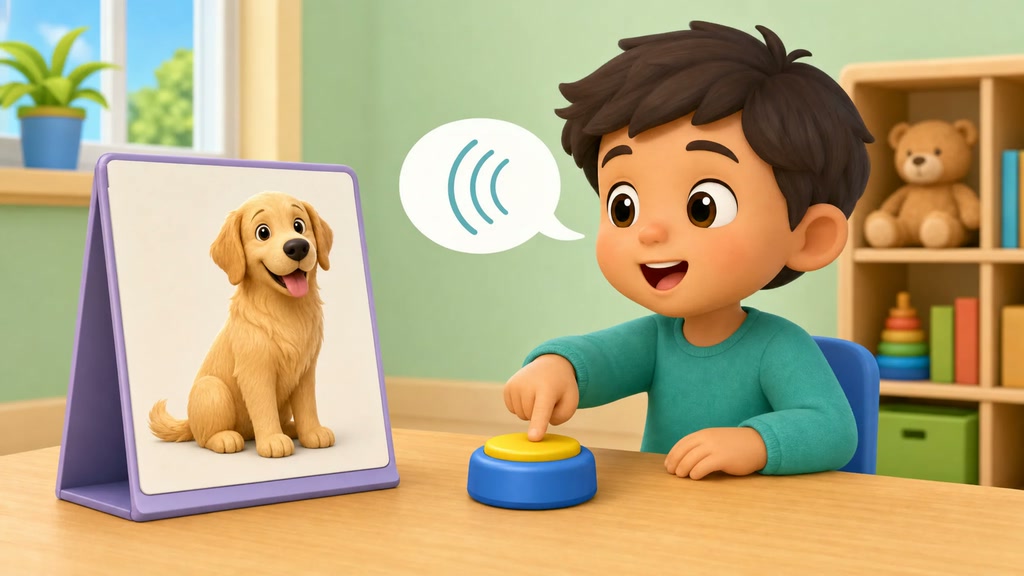
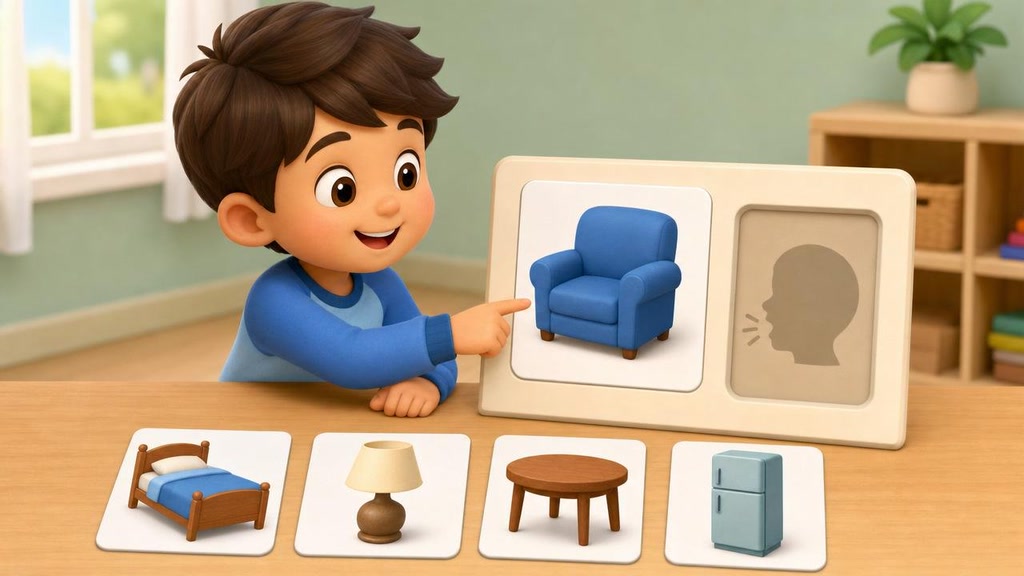
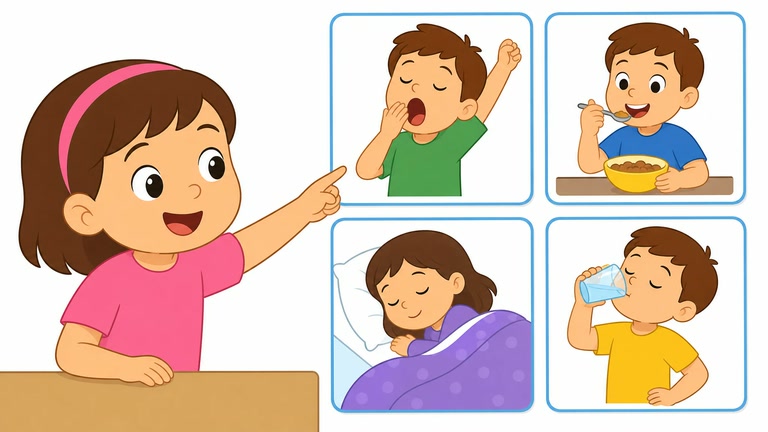
Skinner’s idea is that language is made of distinct skills: requesting (the mand), labeling (the tact), echoing sounds (the echoic), following what others say (listener responding) and answering questions (the intraverbal). The VB-MAPP measures each one separately, so a child who labels 50 pictures but cannot ask for a drink shows up clearly on the grid.
The VB-MAPP was first published in 2008. The guide was revised as a second edition in 2014, and that edition works with the existing protocol. It is two things at once: an assessment that shows where a learner’s language and learning skills stand compared with typical development, and a placement program that helps the team decide what to teach next.
What is the VB-MAPP age range?
The VB-MAPP age range is defined by skills, not birthdays: the 170 milestones follow typical language development from birth to about 48 months. The VB-MAPP is used with any learner whose language is still below the level of a typical 4-year-old, from toddlers to school-age children and teenagers with autism or other developmental delays.
A 3-year-old who requests with two signs, a 7-year-old who labels many objects but rarely starts a conversation, and a teenager whose language is at an early level can all be assessed with it. Past Level 3, teams usually move to a broader curriculum such as the ABLLS-R or PEAK. Early intervention teams that follow the Early Start Denver Model often pair it with the ESDM Curriculum Checklist or the PEP-3.
It is mainly used by behavior analysts, speech-language pathologists, school psychologists and special educators who understand verbal behavior. Accurate scoring takes practice: knowing what a real mand looks like, and noticing when you are prompting without meaning to.
What are the five components of the VB-MAPP?
The VB-MAPP has five components: the Milestones Assessment, the Barriers Assessment, the Transition Assessment, the Task Analysis and Supporting Skills, and the Placement and IEP Goals. The Milestones Assessment gets most of the attention, but the Barriers and Transition Assessments often explain why a learner is stuck and what kind of setting the learner needs.
- Milestones Assessment
- 170 measurable milestones across 16 domains, grouped into three developmental levels. It shows what the learner can already do.
- Barriers Assessment
- 24 common learning and language barriers, such as problem behavior, prompt dependency, weak motivation or a scrolling habit when answering. It shows what may be getting in the way.
- Transition Assessment
- 18 areas that summarize skills, barriers and learning style to help the team judge whether a learner is ready for a less restrictive setting, such as a general education classroom.
- Task Analysis and Supporting Skills
- A longer breakdown of the smaller steps and related skills behind each milestone, used for ongoing skills tracking between full assessments.
- Placement and IEP Goals
- Guidance that links each milestone result to teaching priorities and suggested goals, so the assessment leads straight into a program.
VB-MAPP milestones by level and domain
The VB-MAPP milestones are 170 skills in 16 domains, split over three developmental levels with five milestones per domain per level. Level 1 (0 to 18 months) has 9 domains and 45 milestones, Level 2 (18 to 30 months) has 12 domains and 60 milestones, and Level 3 (30 to 48 months) has 13 domains and 65 milestones.
Some domains run through all three levels; others start or stop along the way.
- Level 1 (0–18 months): 9 domains
- Mand, tact, listener responding, visual perceptual skills and matching-to-sample (VP-MTS), independent play, social behavior and social play, motor imitation, echoic (scored with the EESA) and spontaneous vocal behavior.
- Level 2 (18–30 months): 12 domains
- Mand, tact, listener responding, VP-MTS, independent play, social behavior and social play, motor imitation and echoic continue. New: listener responding by function, feature and class (LRFFC), intraverbal, classroom routines and group skills, and linguistic structure. Spontaneous vocal behavior is no longer scored.
- Level 3 (30–48 months): 13 domains
- Mand, tact, listener responding, VP-MTS, independent play, social behavior and social play, LRFFC, intraverbal, classroom routines and group skills, and linguistic structure continue. New: reading, writing and math. Motor imitation and echoic are no longer scored as milestones.
What is the VB-MAPP Barriers Assessment?
The VB-MAPP Barriers Assessment rates 24 learning and language barriers that can block progress even when a learner has the skills, such as problem behavior, prompt dependency and failure to generalize. Each barrier is scored from 0 (no problem) to 4 (a severe problem), so the Barriers Assessment shows what to fix before adding harder milestones.
The 24 barriers fall into a few broad groups:
- Behavior and control: problem behavior, weak instructional control, self-stimulation, hyperactivity, obsessive-compulsive behavior and sensory defensiveness.
- Weak verbal and learning operants: impaired mands, tacts, echoics, imitation, matching (VP-MTS), listener skills, intraverbals and social skills.
- How the learner learns: prompt dependency, scrolling through answers, poor scanning, weak conditional discriminations and failure to generalize.
- Motivation and reinforcement: weak motivating operations, motivation that drops as the task gets harder, and dependence on one type of reinforcer.
- Other: articulation problems and failure to make eye contact.
The Transition Assessment and the EESA
The VB-MAPP Transition Assessment rates 18 areas from 1 to 5 to help a team decide whether a learner is ready for a less restrictive setting, such as a general education classroom. The Transition Assessment combines milestone and barrier totals with areas like classroom routines, social skills, independent work, generalization, rate of learning and self-help.
The EESA (Early Echoic Skills Assessment), written by Barbara E. Esch, measures how well a learner repeats sounds, syllables, words and phrases, and feeds the echoic score in Levels 1 and 2. Since 2023 the EESA has also been published on its own, expanded as the Early Echoic Skills Assessment and Program Planner (Different Roads to Learning).
How is the VB-MAPP scored?
The VB-MAPP is scored milestone by milestone: each of the 170 milestones earns 0, ½ or 1 point. A full point means the learner meets the milestone as the guide defines it, and half a point means a partial or emerging skill. The guide also sets how each milestone is tested: direct testing, observation or a timed sample.
Scores are transferred to a color-coded grid on the protocol, with a different color for each administration. When you reassess, the new color shows growth at a glance. Because every domain has five milestones per level, a filled grid looks like a skyline: tall columns where the learner is strong, gaps where teaching is needed.
Read the barriers (0 to 4 each) and transition (1 to 5 each) results next to the milestones: a learner with high milestone scores and severe prompt dependency is not ready for the same placement as one without it. Once the grid is scored, the free VB-MAPP goal mapper turns each half-scored milestone area into plain-language practice goals and activities.
How often should you reassess the VB-MAPP?
Most teams reassess the VB-MAPP Milestones and Barriers about every six months, often lined up with treatment plan reviews, insurance reauthorizations or IEP meetings. The VB-MAPP has no fixed rule, but the scoring grid has room for several administrations, which fits a twice-a-year rhythm for two years or more.
Between full assessments, the Task Analysis and Supporting Skills section plus your daily data tell you whether a target is moving. Record trials on free ABA data sheets and chart them with the ABA graph maker. If a learner is gaining fast, some teams reassess sooner; if progress is slow, the barriers deserve a second look before the milestones do.
Common VB-MAPP scoring mistakes
The most common VB-MAPP scoring mistakes come from going too fast or giving credit too easily: counting prompted responses, scoring from parent report when a milestone calls for direct testing, and skipping the Barriers Assessment. Each mistake inflates the grid, so the next goals end up too hard and progress seems to stall.
- Counting prompted responses. If you mouthed the word or glanced at the right card, it is not an independent response.
- Scoring from memory or a parent report alone when the milestone calls for direct testing.
- Treating milestones as goals word for word. A milestone is a checkpoint; the goal is the teachable step just before it.
- Skipping the Barriers Assessment and then wondering why progress stalls.
- Teaching to the test with the exact same items, so the skill does not generalize to new people, materials and places.
From VB-MAPP results to goals and placement
VB-MAPP results become goals at the edge of the learner’s skills: half-scored milestones, the next milestone in a strong domain, and skills that unlock other learning, such as manding and listener responding. The VB-MAPP Placement and IEP Goals section links each result to teaching priorities, and the team writes each goal as a countable target.
Say a 3-year-old scores well on matching and imitation but has only a few mands. A sensible plan puts manding first, because requesting is how the child gets what they want and cuts frustration, and uses the strong matching skills as an easy warm-up. Write each goal as something you can count: the response, the setting and how often.
The free VB-MAPP goal mapper writes the first draft for you: pick a level, domain and milestone area and get practice goals, everyday activities and a sign of when to move on, ready to adapt for the treatment plan or IEP.
Free practice materials for each VB-MAPP domain
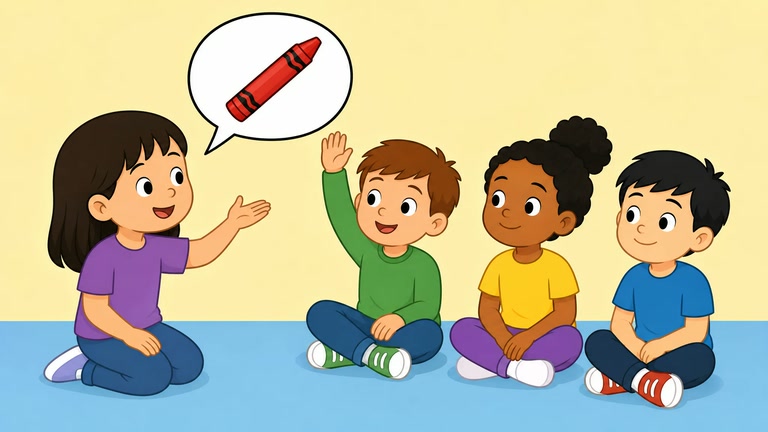
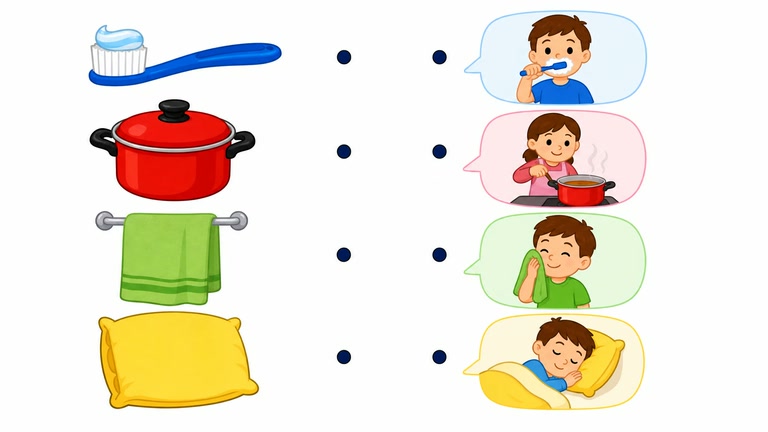
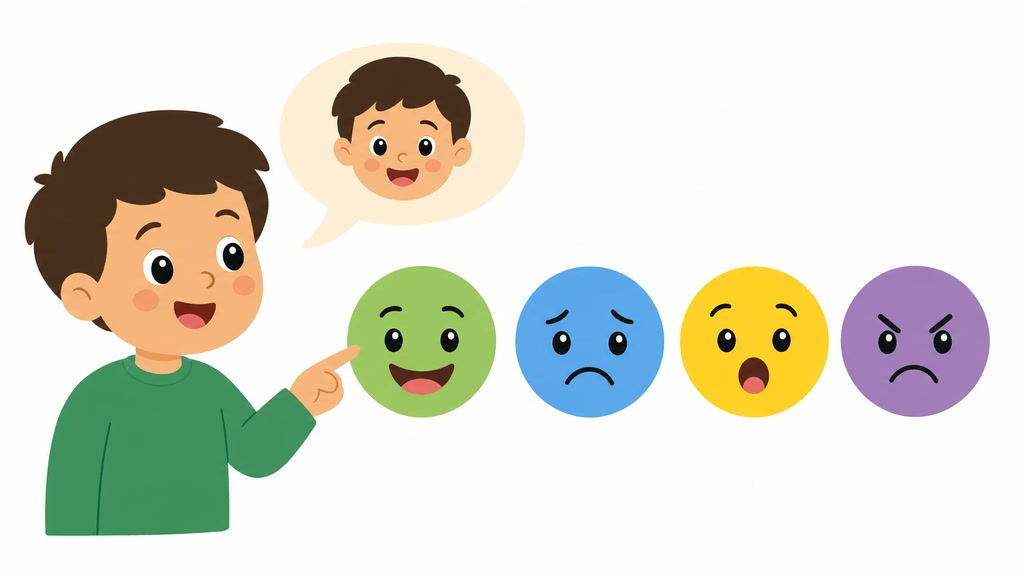
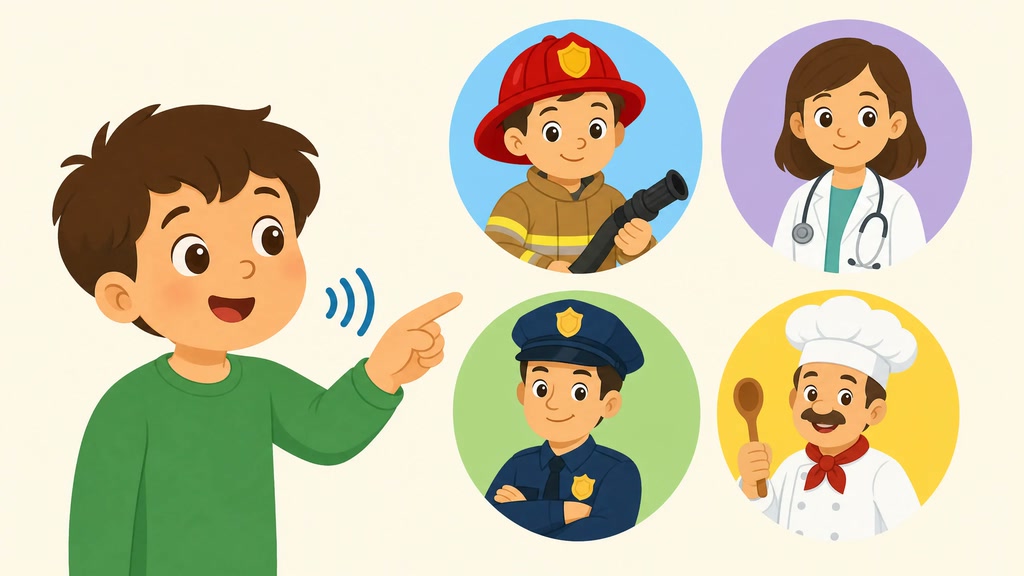
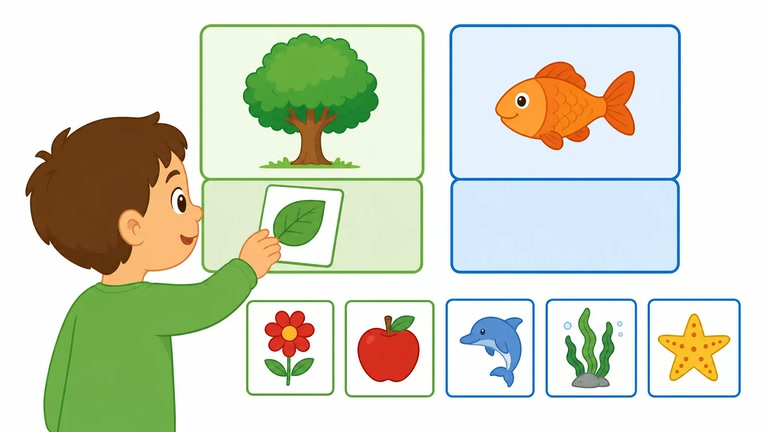
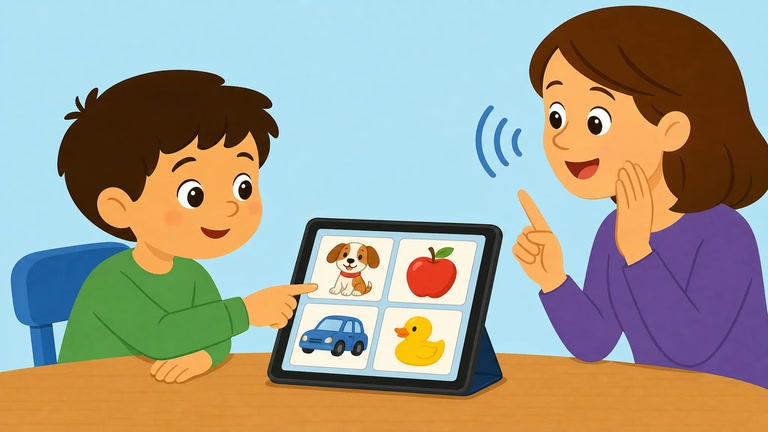
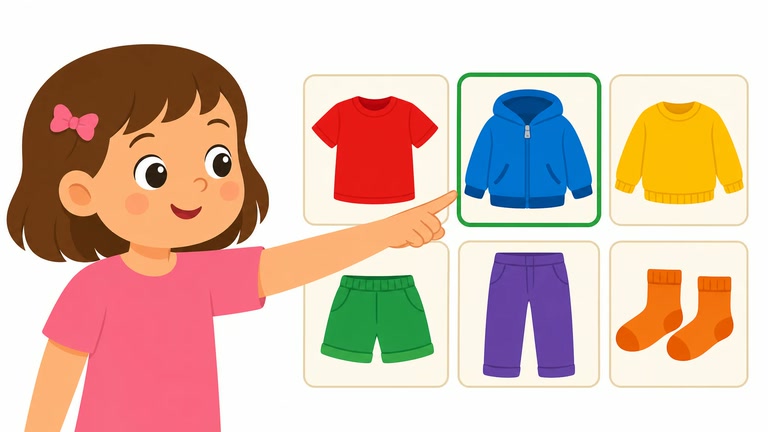
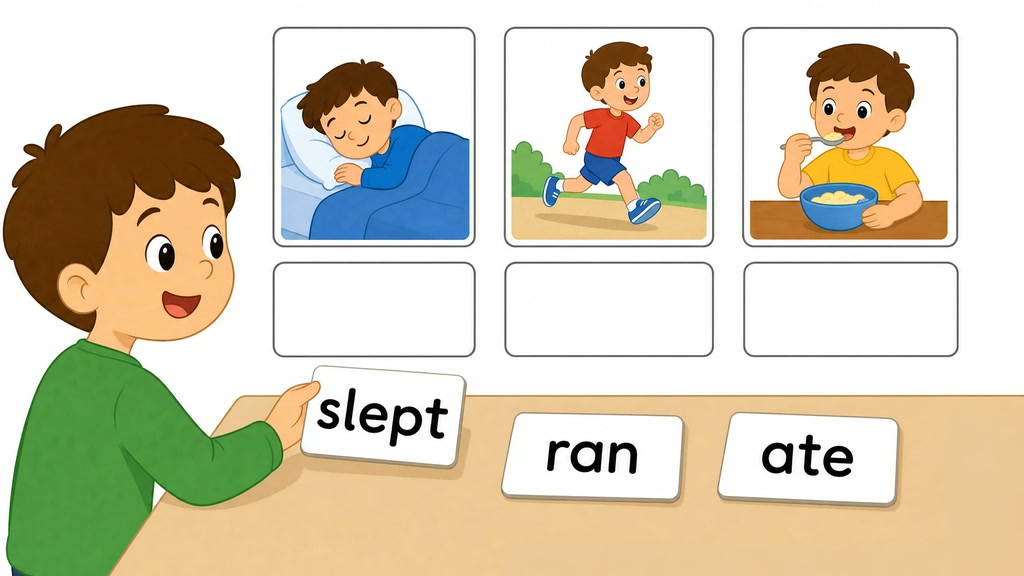
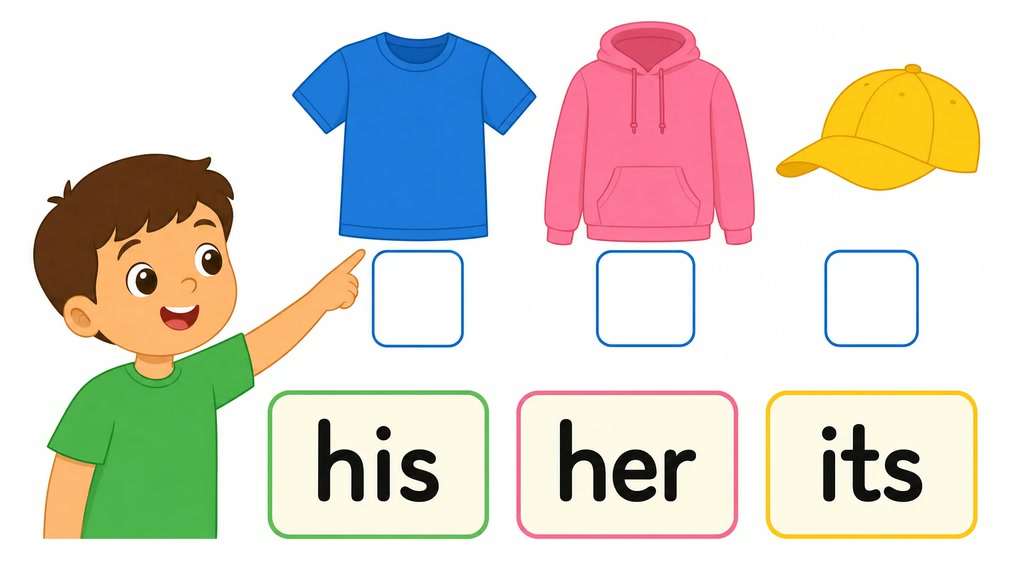
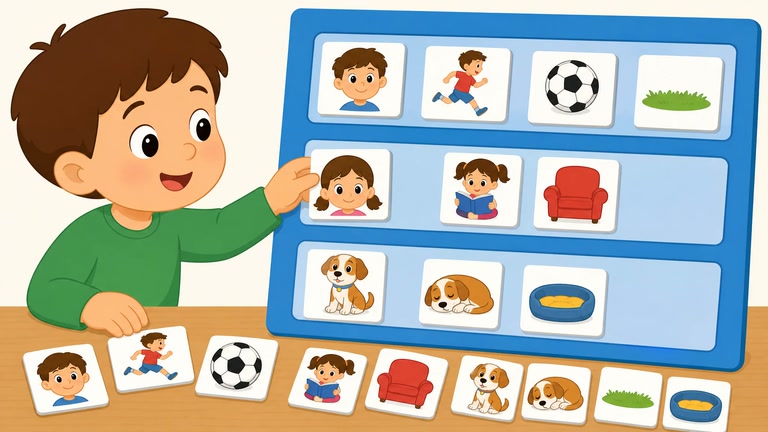
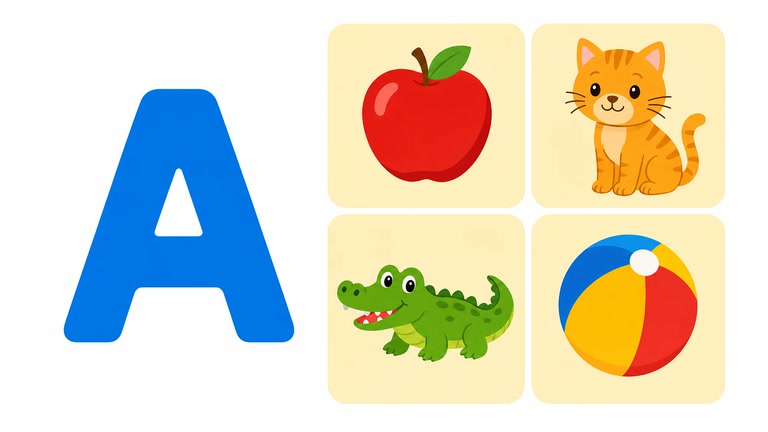
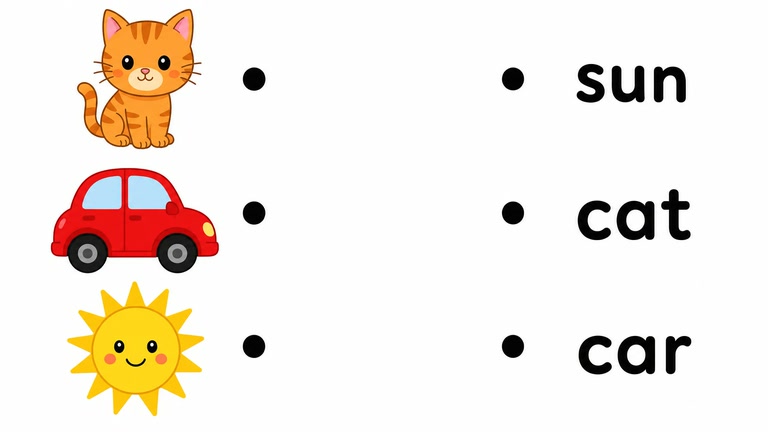
Each VB-MAPP domain targets a different verbal or learning skill, so practice materials differ by domain. SuperChild’s free printables follow the same split: manding, tacting, listener responding, VP-MTS, LRFFC, intraverbals, prepositions and Level 3 math each have a worksheet set a team can print and run between VB-MAPP assessments.
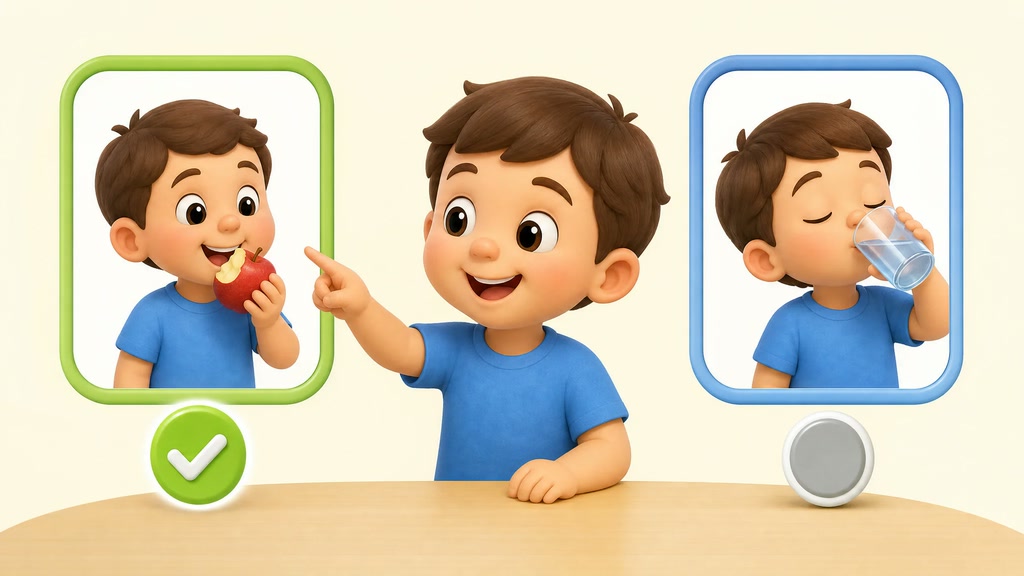
- Mand (requesting)
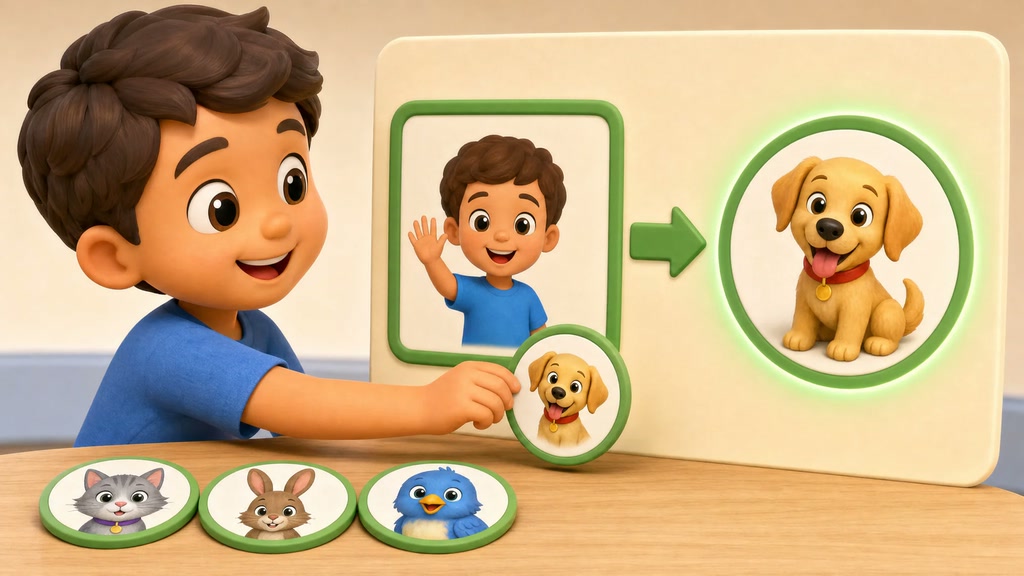
- A free PECS book printable gives learners who don’t yet talk picture cards to exchange while vocal or signed mands develop.
- Tact (labeling)
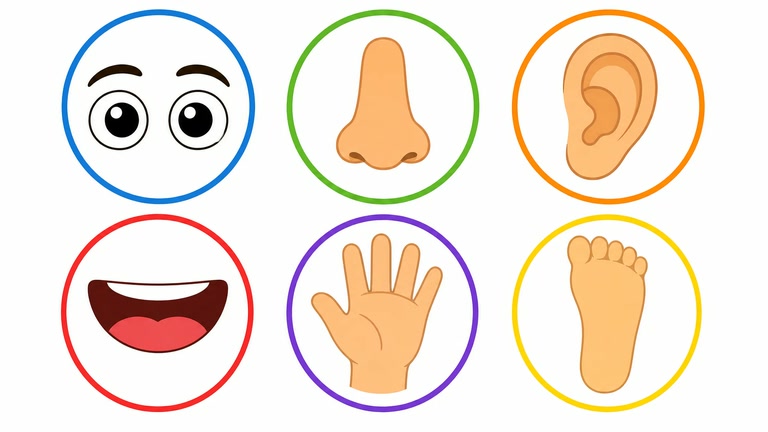
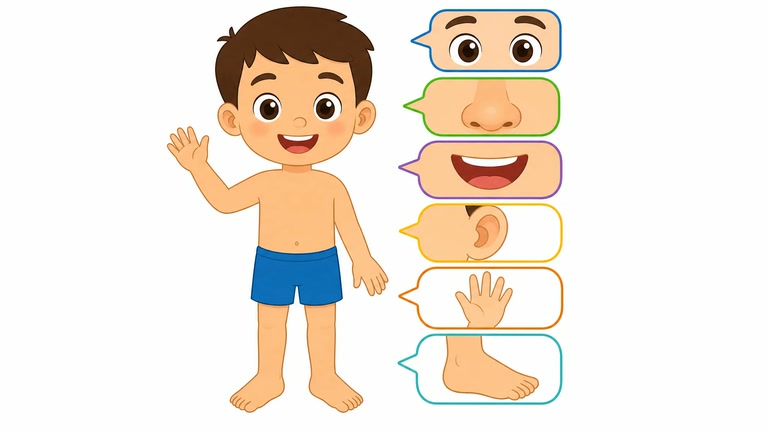
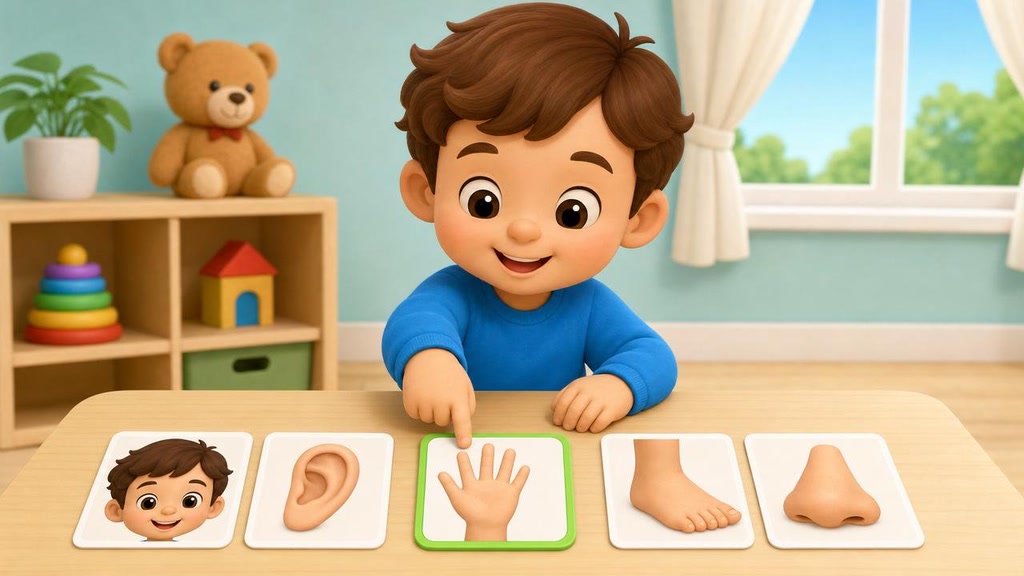
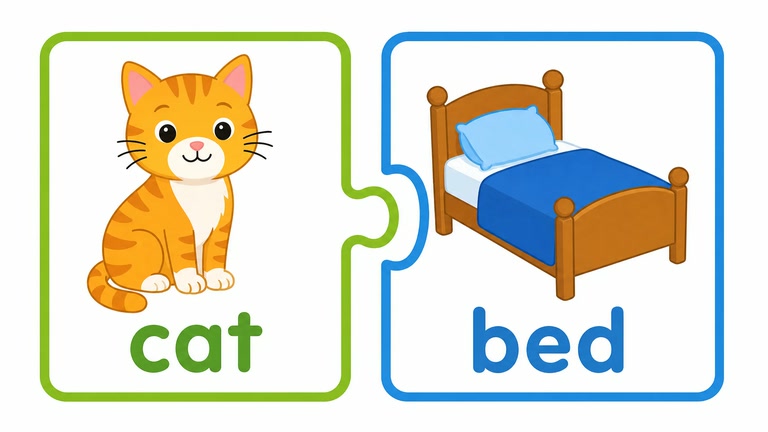
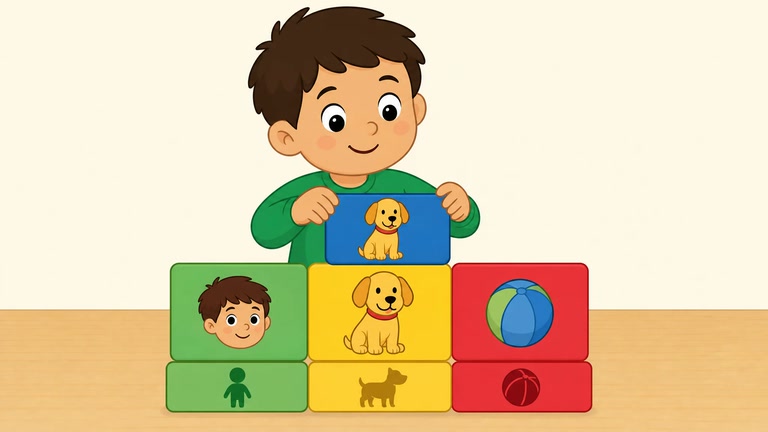
- Teaching body parts is a classic early tact and listener target, with picture cards to name and point to.
- Listener responding
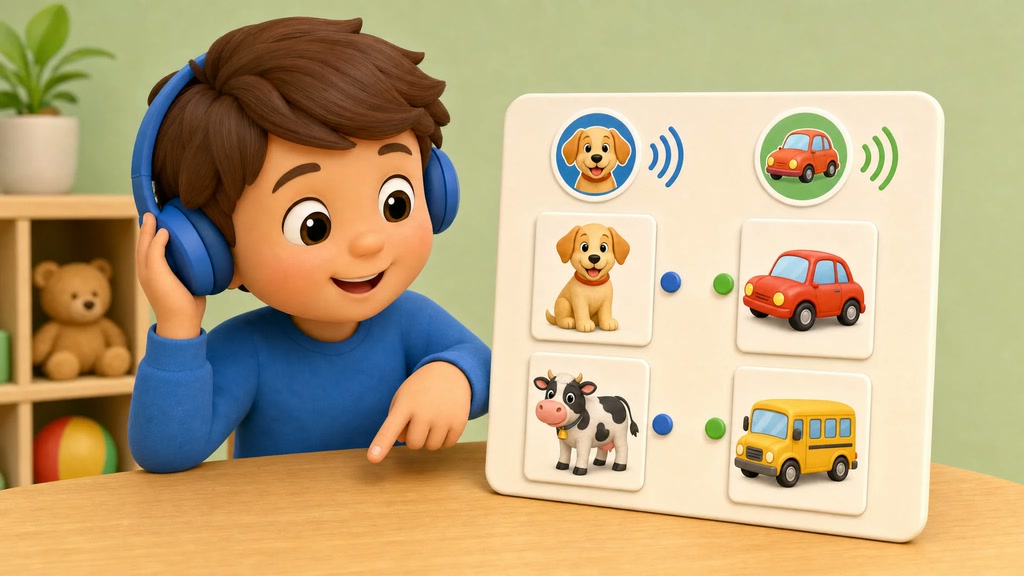
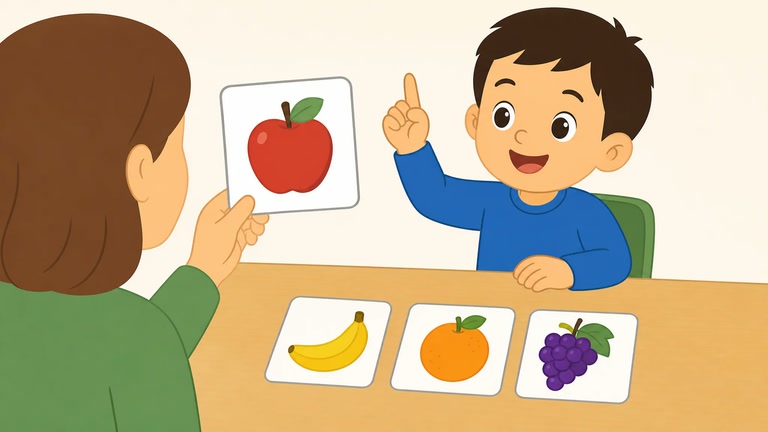
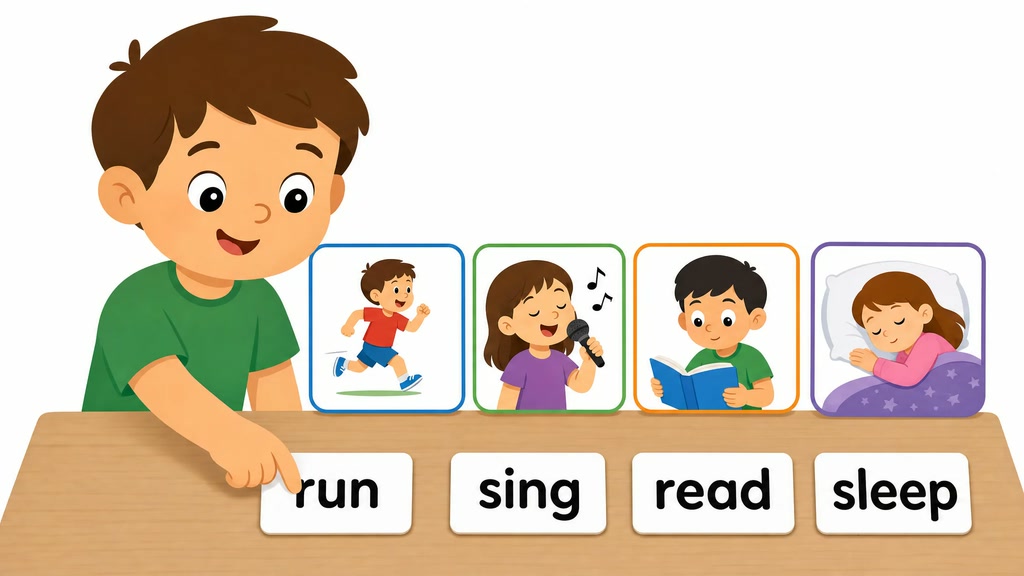
- Receptive language activities for touching and giving named items, and following directions worksheets for one- and two-step instructions.
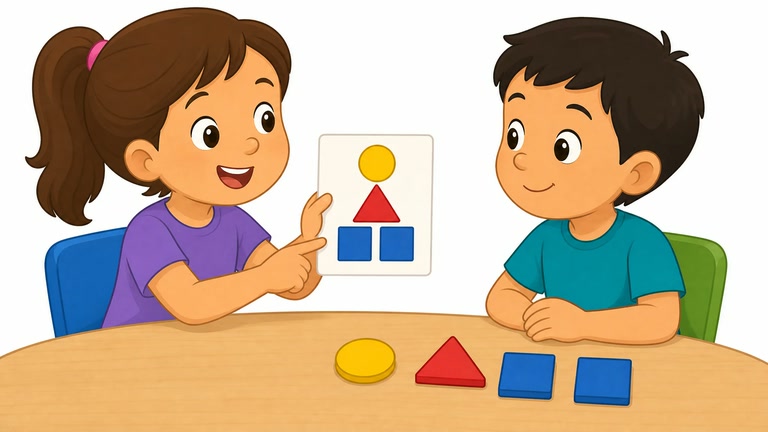
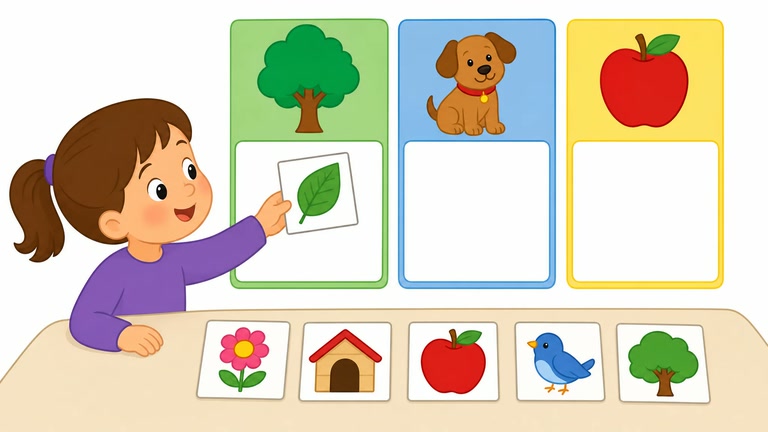
- VP-MTS (matching)
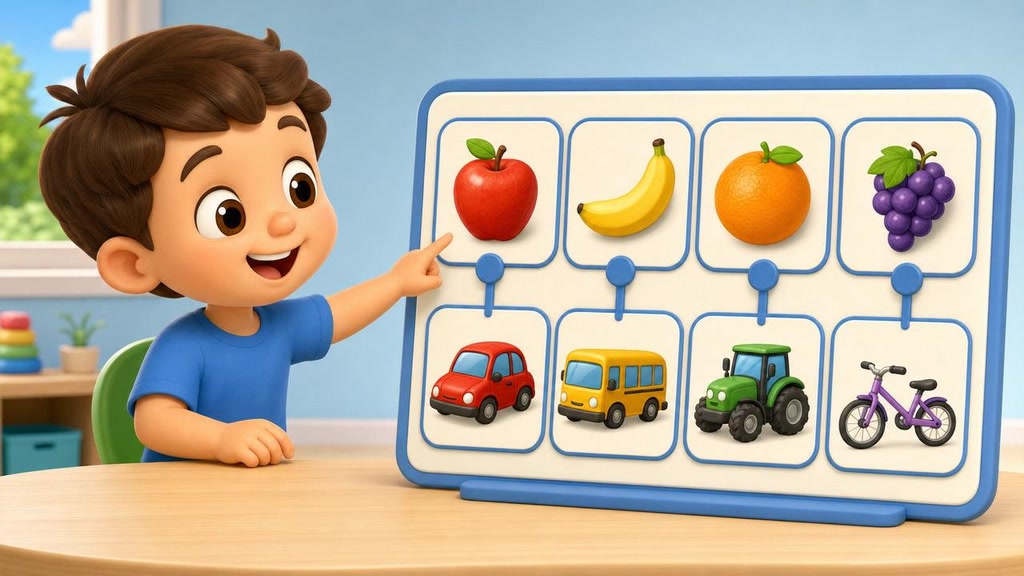
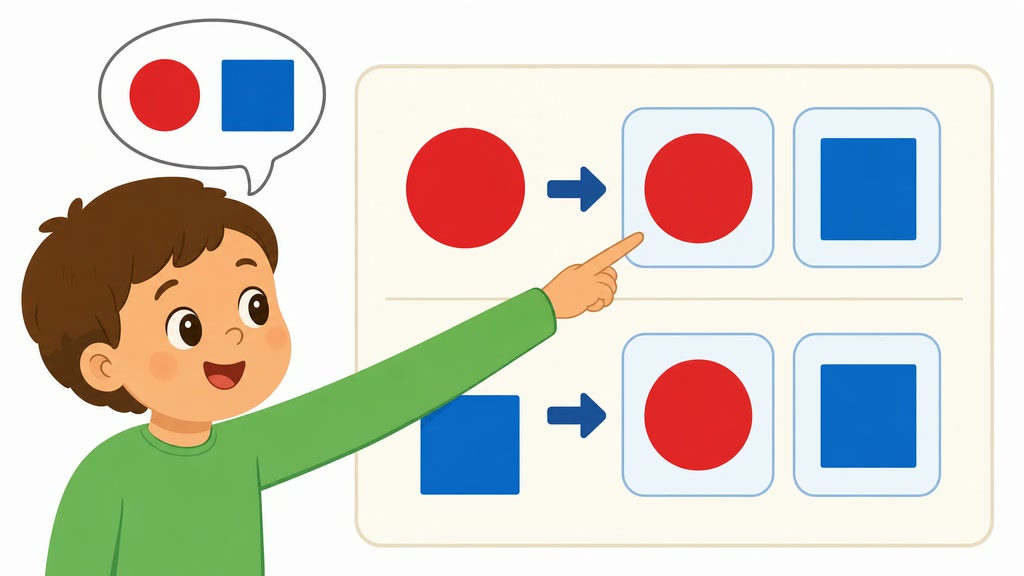
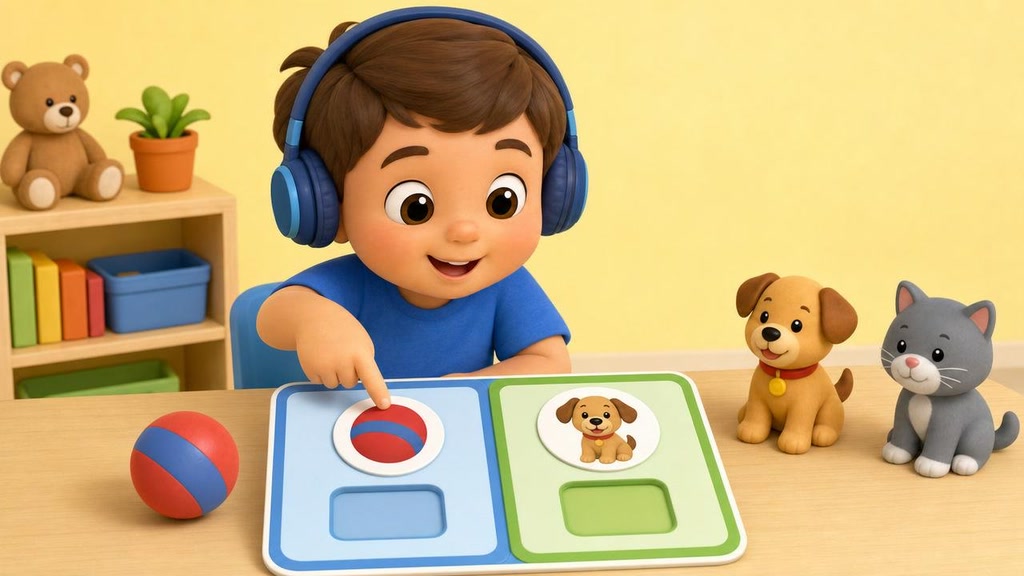
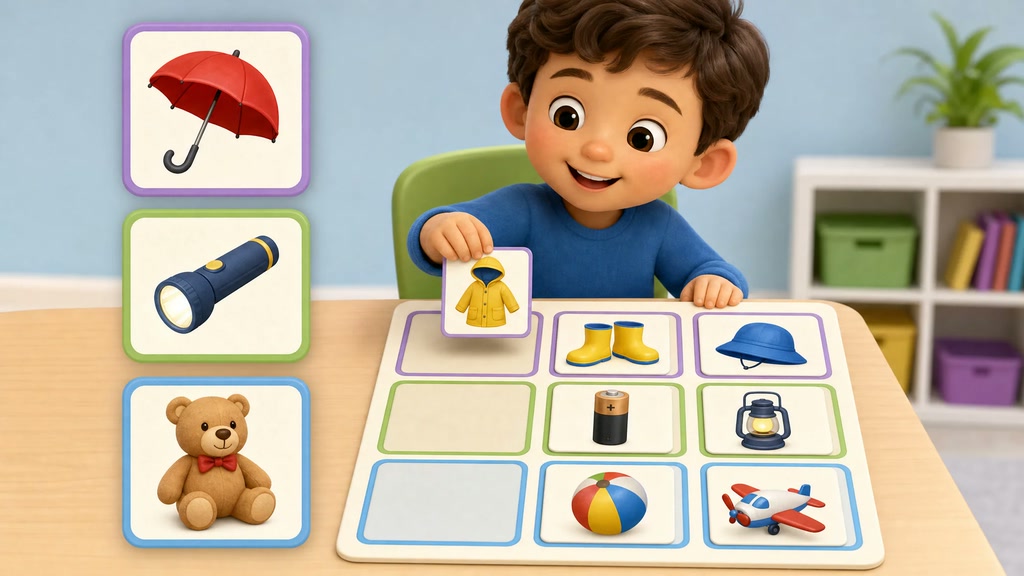
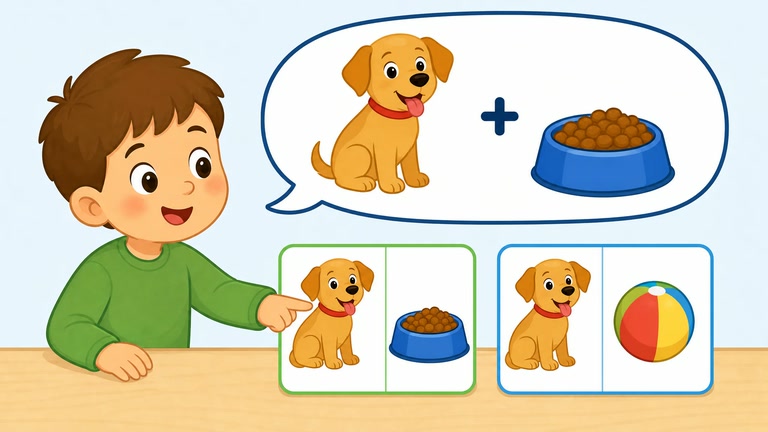
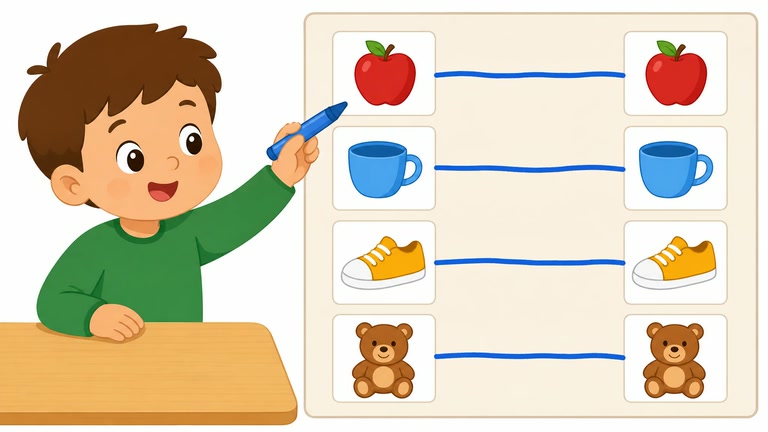
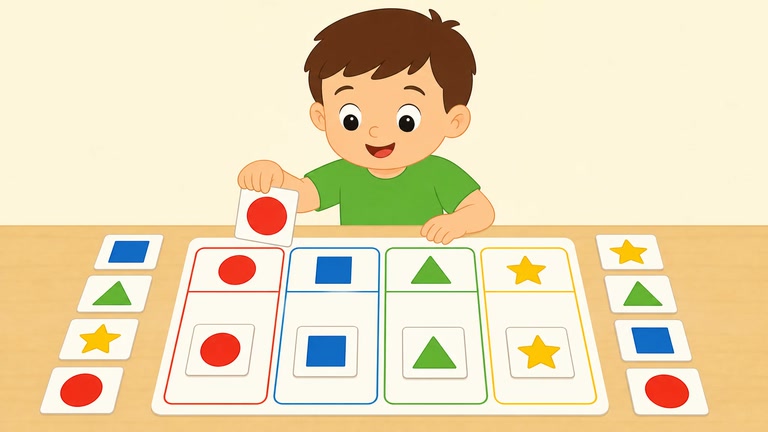
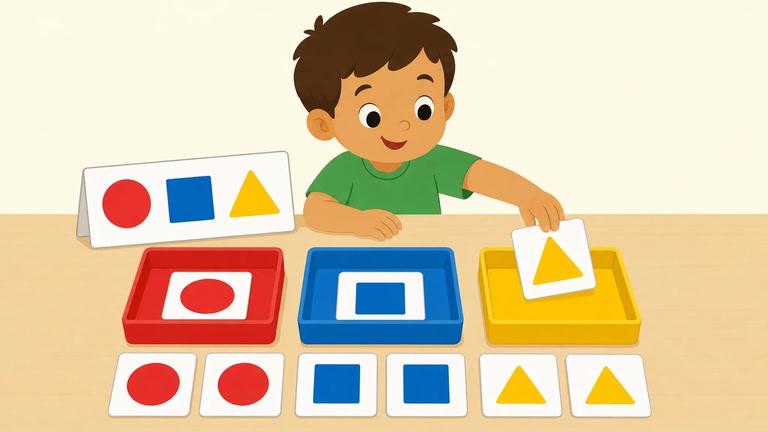
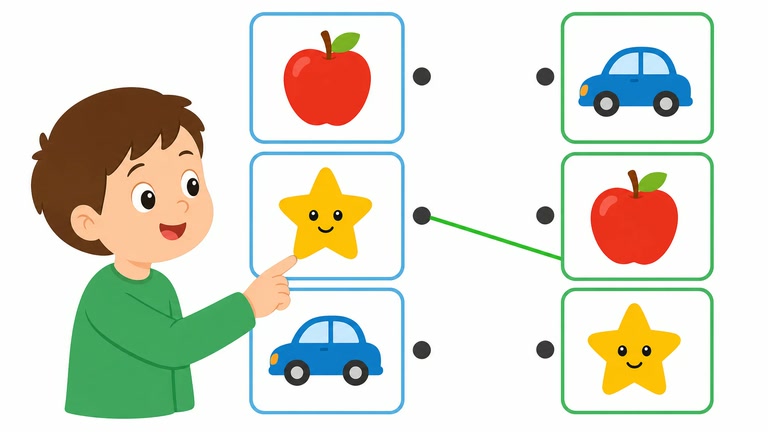
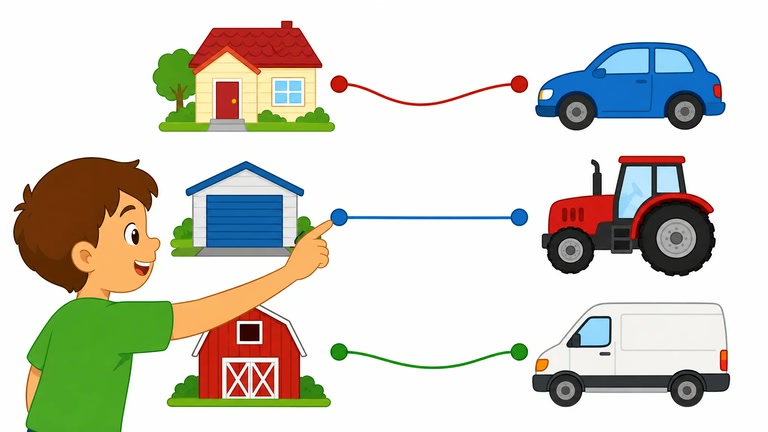
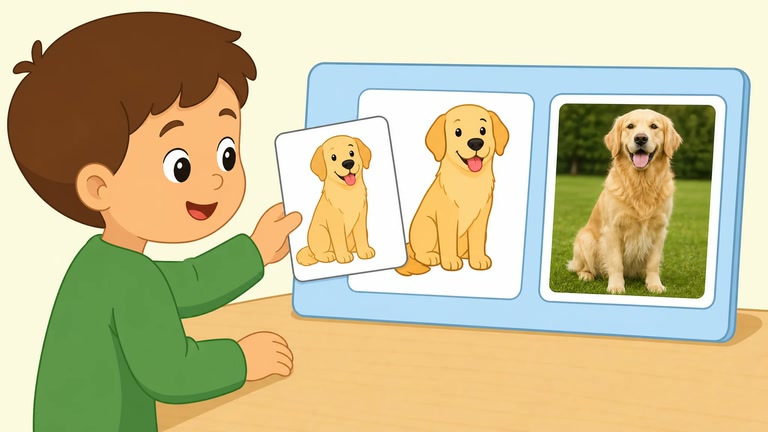
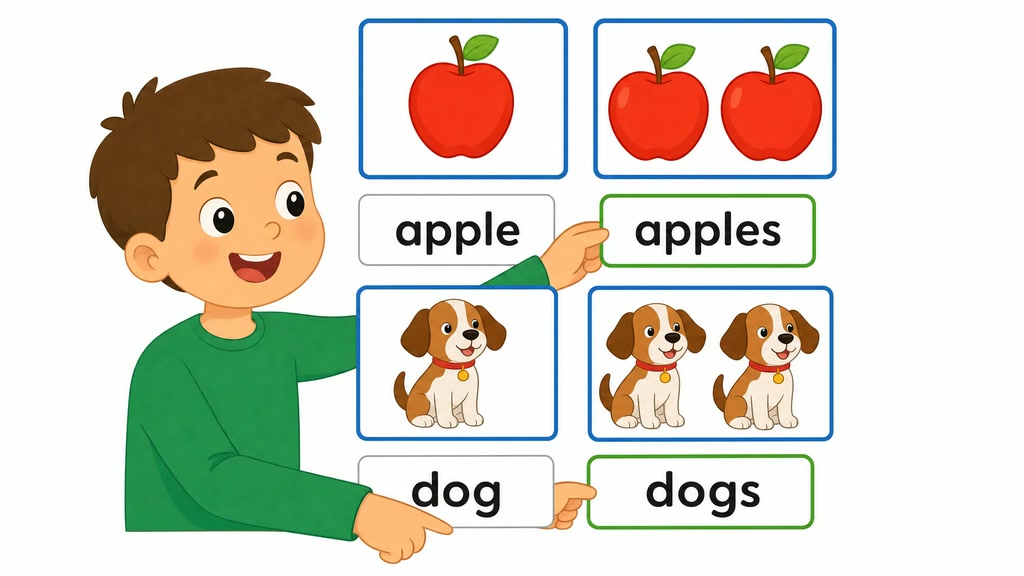
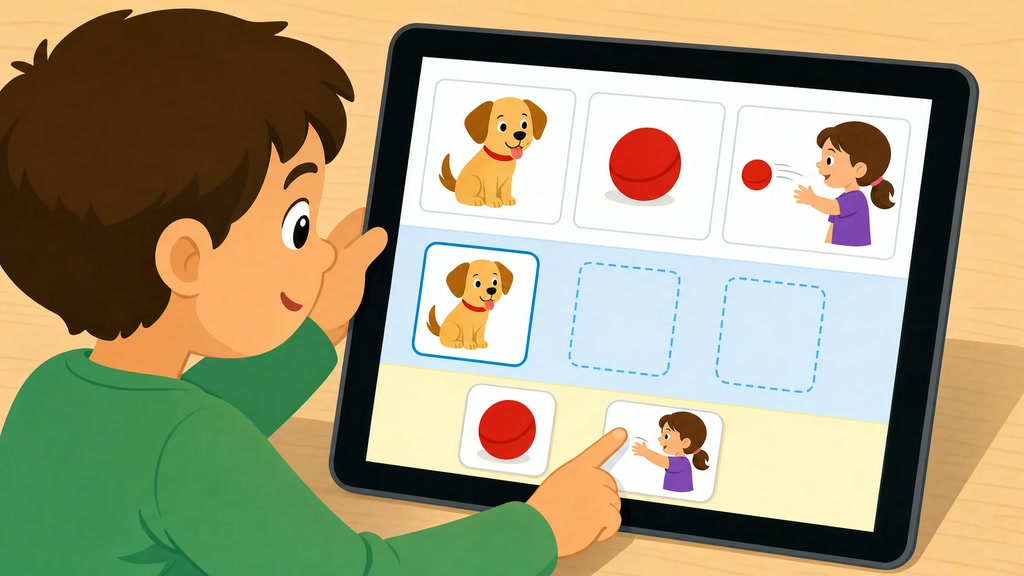
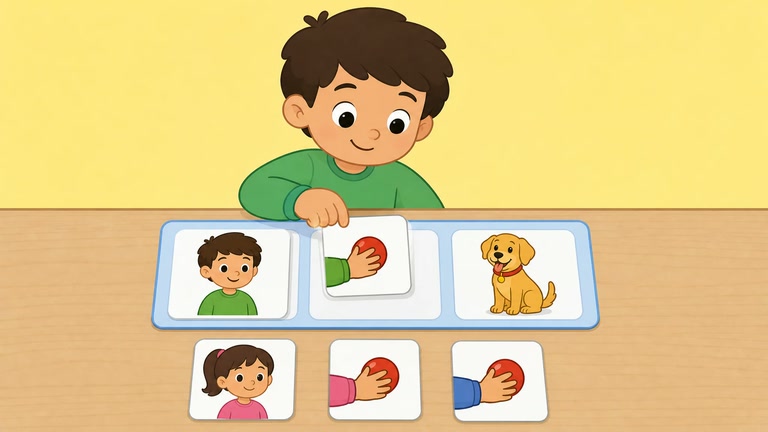
- Matching activities for autism for identical and non-identical matching, and visual perception activities for sorting, patterns and puzzles.
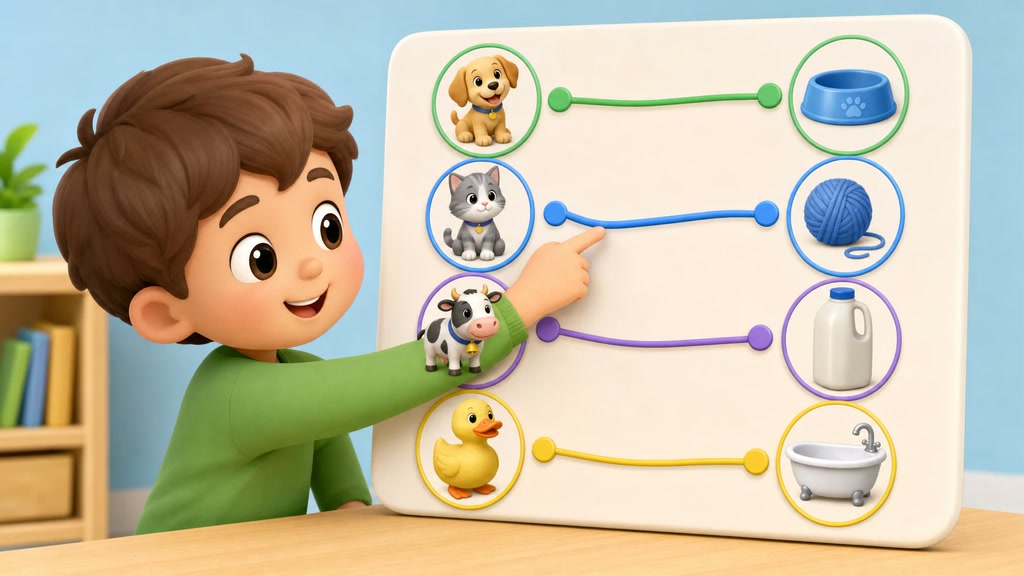
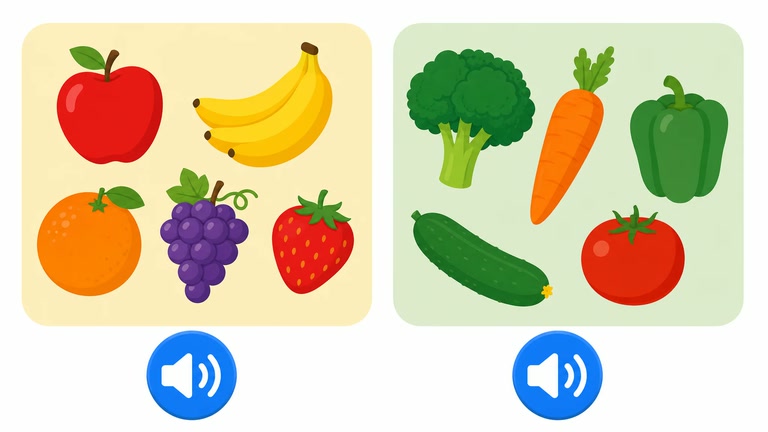
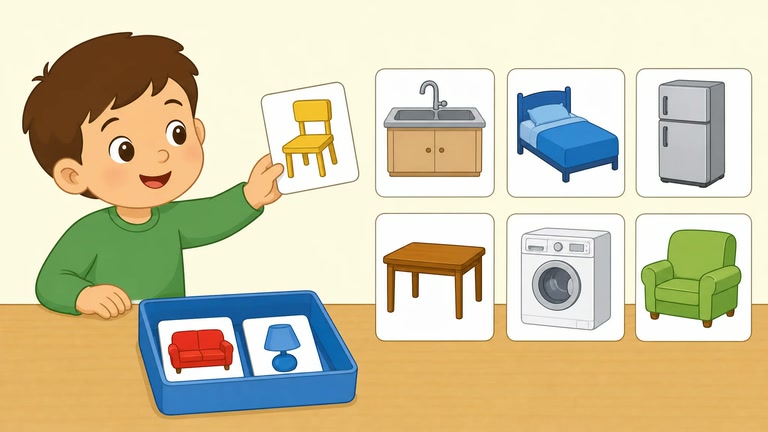
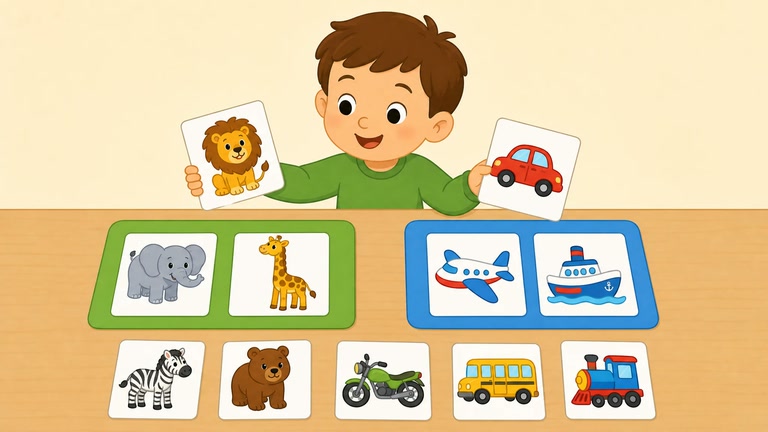
- LRFFC
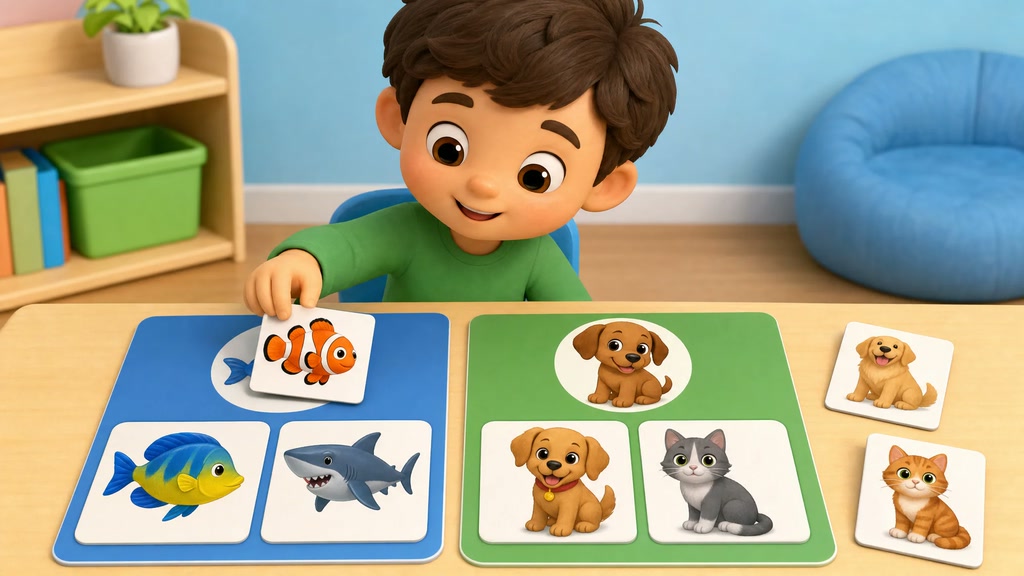
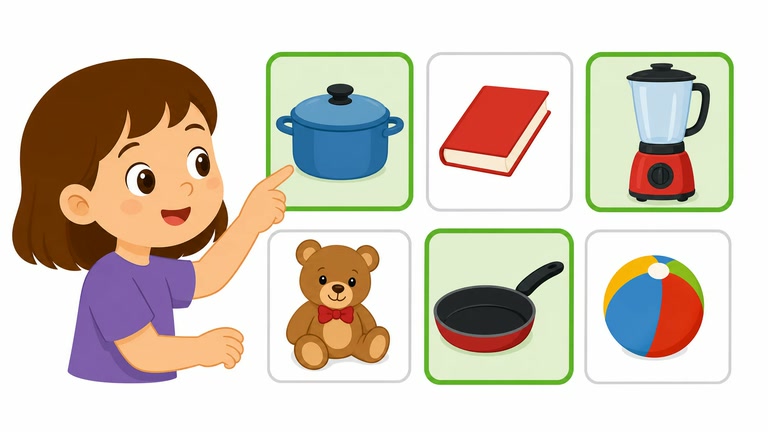
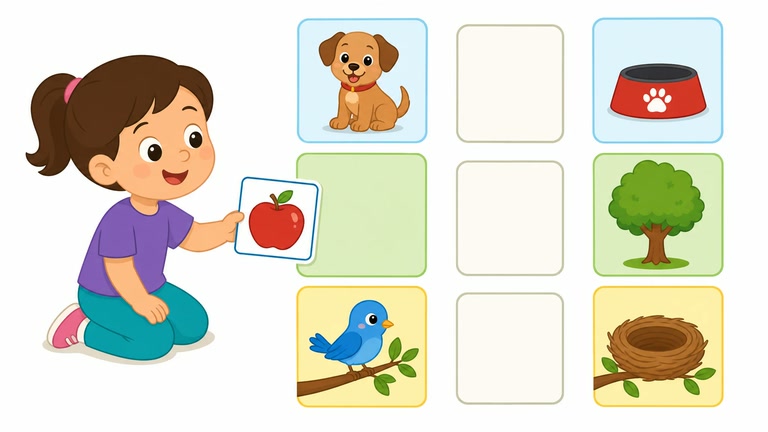
- Feature, function and class activities for “Find the one you eat with” and “Which one is an animal?”
- Intraverbal
- WH questions for autism for what, where and who answers, and yes/no questions for early question answering.
- Prepositions (Level 3)
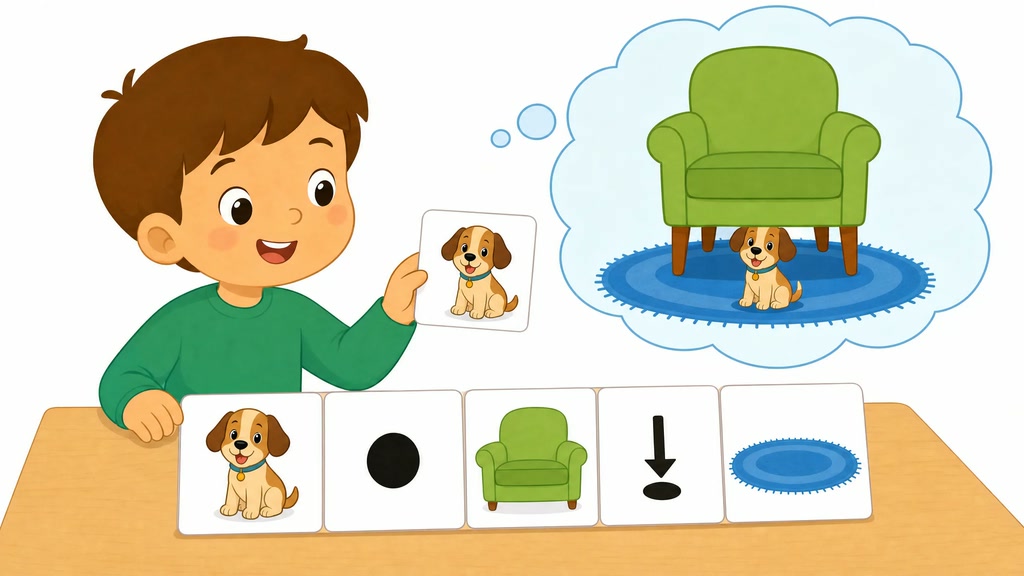
- Teaching prepositions for in, on, under and next to, which show up in Level 3 listener and tact skills.
- Math (Level 3)
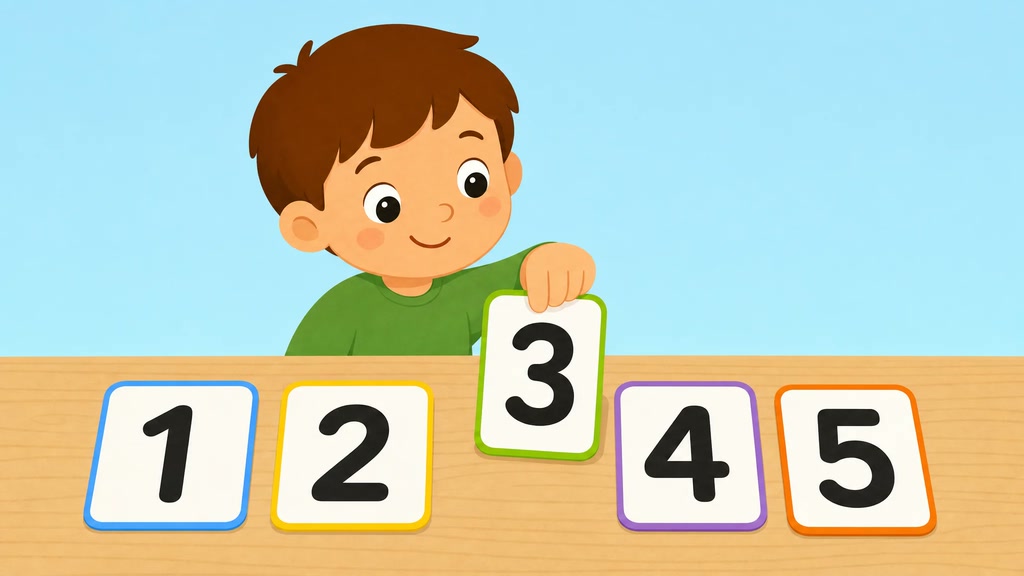
- Math activities for autism for counting, number matching and early quantity.
Who administers the VB-MAPP in the UK, Ireland and Australia?
Outside the US, the VB-MAPP is usually administered by a behaviour analyst or a speech and language professional trained in verbal behavior. That includes BCBAs and BCaBAs, behaviour analysts on the UK-SBA register, holders of QABA or IBAO credentials, speech and language therapists (SLTs) in the UK and Ireland, and speech pathologists in Australia.
The VB-MAPP is not a restricted test, but it is meant for people trained in applied behavior analysis and verbal behavior, and accurate scoring takes supervised practice. The credentials you will meet most often:
- BCBA and BCaBA: Behavior Analyst Certification Board (BACB) credentials, held by many behaviour analysts in the UK, Ireland and Australia as well as the US.
- UKBA(cert): the UK Society for Behaviour Analysis (UK-SBA) runs the UK register of behaviour analysts.
- QABA: the Qualified Applied Behavior Analysis Credentialing Board certifies QBA (analysts), QASP-S (supervisors) and ABAT (technicians).
- IBA: the International Behavior Analyst credential from the International Behavior Analysis Organization (IBAO).
- In England, VB-MAPP results often serve as evidence of a child’s special educational needs (SEN) and help write measurable outcomes for an Education, Health and Care Plan (EHCP).
- In Australia, VB-MAPP assessments are common in NDIS-funded early intervention, where the results help set goals in a child’s NDIS plan and show progress at plan reviews.

Free download1 ZIP · 94 packs
All 94 printable skill packs, free
Listening, matching, math, reading and more, one skill per pack, each with an adult guide, practice rounds and a log.
Sources
Cite this page
Citation (APA style)
SuperChild. (2026). The VB-MAPP assessment: milestones, barriers and scoring, explained. Retrieved from https://superchild.ai/vb-mapp
Link for your website
<a href="https://superchild.ai/vb-mapp">The VB-MAPP assessment: milestones, barriers and scoring, explained</a> (SuperChild)