What is the ABLLS-R assessment?
The ABLLS-R (Assessment of Basic Language and Learning Skills-Revised) is a criterion-referenced assessment, curriculum guide and skills tracking system by Dr. James Partington. The ABLLS-R covers 544 skills in 25 areas, from cooperation and requesting to reading, dressing and fine motor skills, scored in a protocol and shaded on a tracking grid.
Dr. Partington wrote the revision in 2006; the original ABLLS, written with Dr. Mark Sundberg, came out in 1998. The revision added items and put the skills in a more developmental order. It comes in two parts: a protocol, where you score each skill and fill in the tracking grids, and a guide that explains the scoring rules and how to write goals from the results.
Like the VB-MAPP, the ABLLS-R draws on Skinner’s analysis of verbal behavior, so you will see requesting, labeling, intraverbals and listener skills as separate areas. Unlike the VB-MAPP, it also covers academics, self-help and motor skills in detail.
What age range is the ABLLS-R for?
The ABLLS-R age range covers the skills most typically developing children have by kindergarten entry, around ages 4 to 5. The range refers to skills, not birthdays: the ABLLS-R is used with preschoolers, school-age children and older learners with autism or other developmental disabilities whose skills are still in that range.
It suits learners who need a broad picture across many areas at once. A 5-year-old who can request and label but struggles with group instruction, dressing and early math is a typical ABLLS-R learner. For teens and adults who need home, community and job skills, the AFLS assessment, by the same author, is usually a better fit.
The 25 ABLLS-R skill areas
The ABLLS-R skill areas are 25 lettered domains, A to Z without O, holding 544 skills that run roughly from easiest to hardest within each area. The areas fall into four groups: basic learner skills (A to P), academic skills (Q to T), self-help skills (U to X) and motor skills (Y and Z).
- Basic learner skills (A to P, 15 areas)
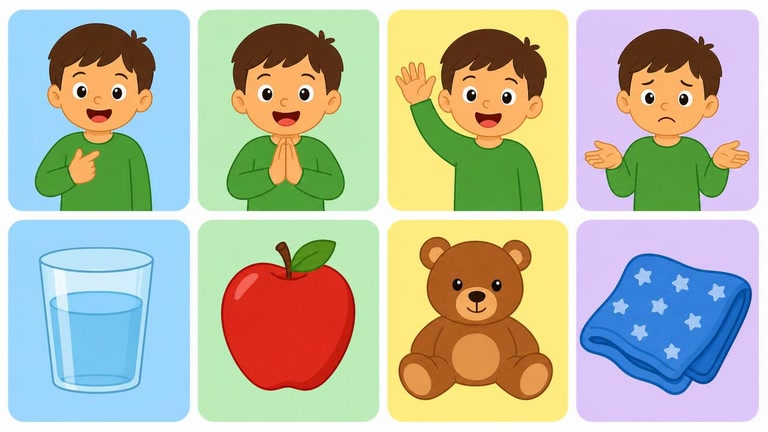
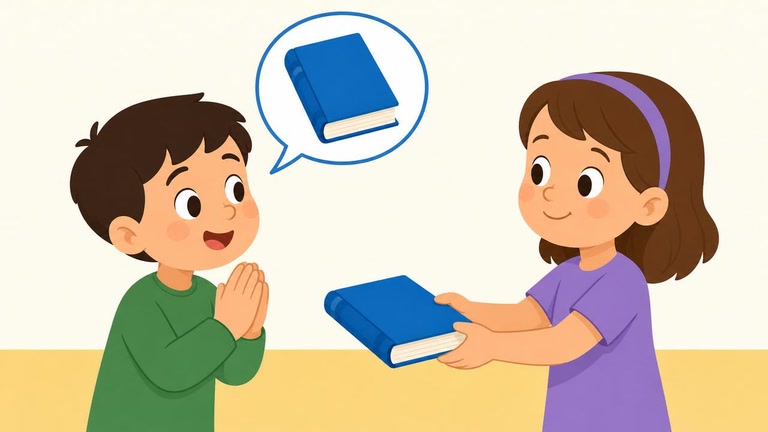
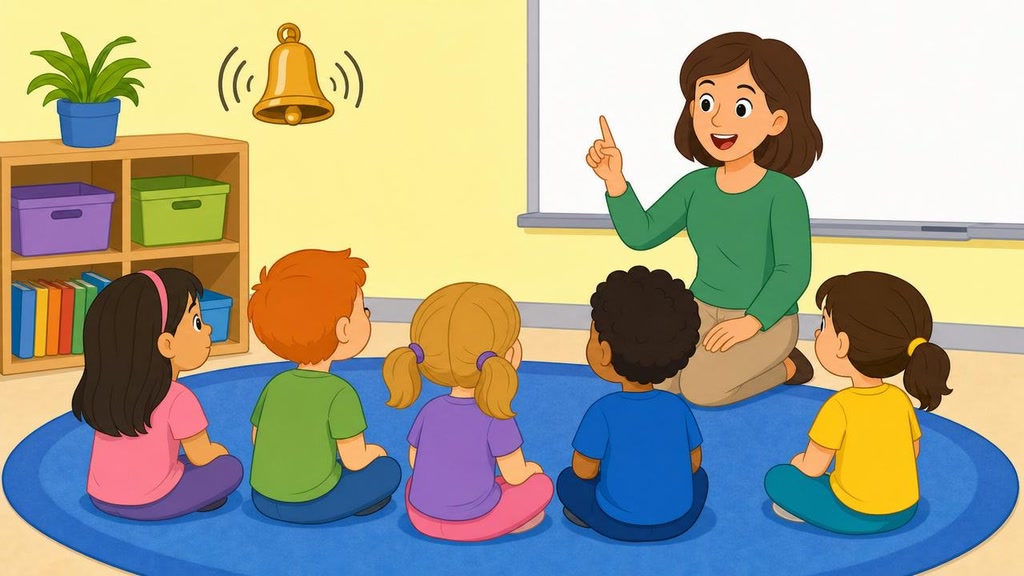
- Cooperation and reinforcer effectiveness (A), visual performance (B), receptive language (C), motor imitation (D), vocal imitation (E), requests (F), labeling (G), intraverbals (H), spontaneous vocalizations (I), syntax and grammar (J), play and leisure (K), social interaction (L), group instruction (M), following classroom routines (N) and generalized responding (P).
- Academic skills (Q to T, 4 areas)
- Reading (Q), math (R), writing (S) and spelling (T).
- Self-help skills (U to X, 4 areas)
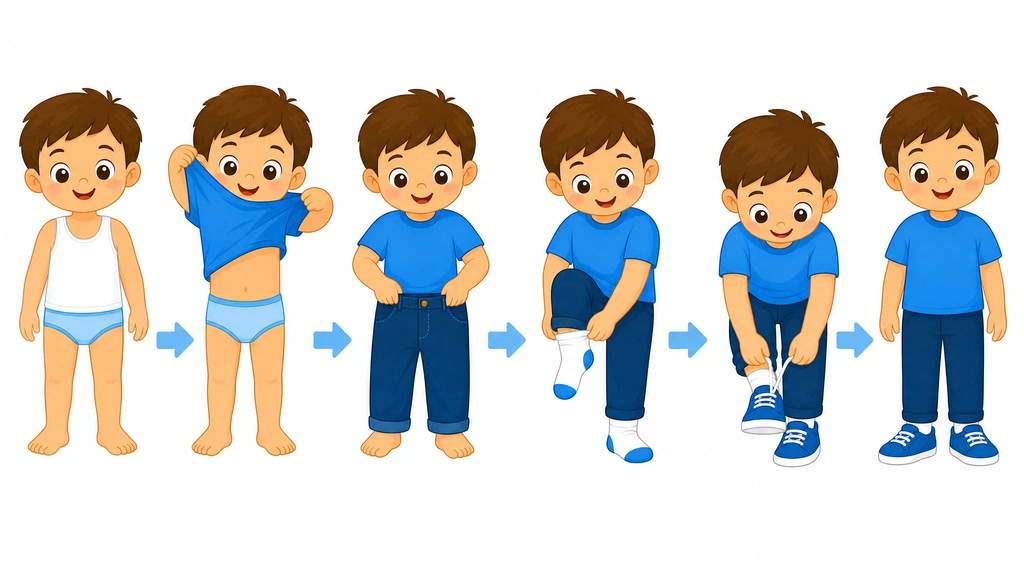
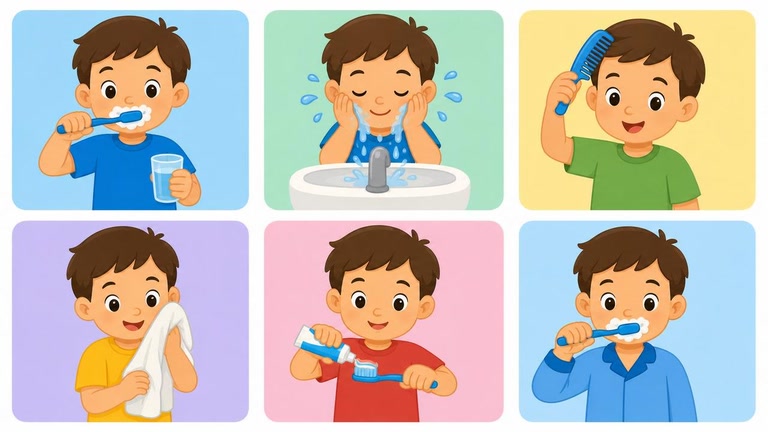
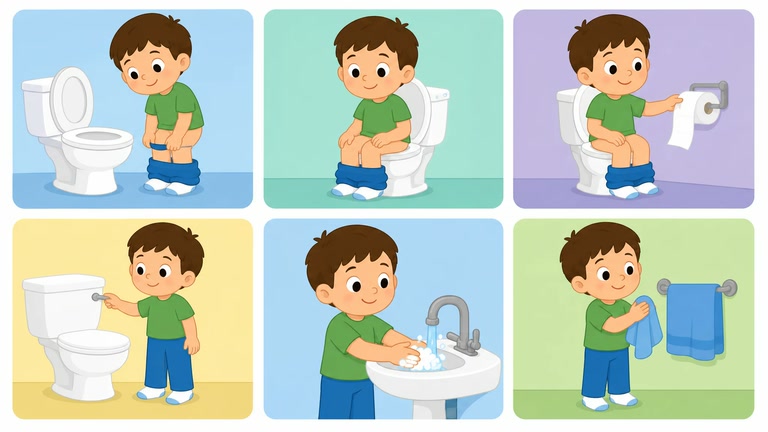
- Dressing (U), eating (V), grooming (W) and toileting (X).
- Motor skills (Y and Z, 2 areas)
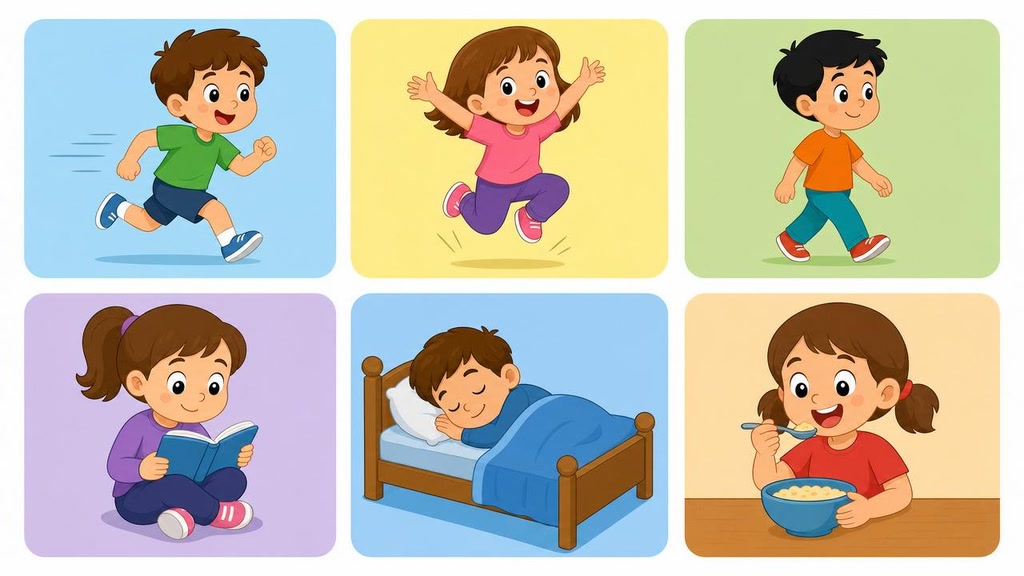
- Gross motor (Y), such as running, jumping and ball play, and fine motor (Z), such as drawing, cutting and pegboard work.
How is the ABLLS-R scored?
ABLLS-R scoring is item by item: each of the 544 skills has written criteria in the protocol and its own maximum score. Some ABLLS-R skills are scored as simply present or absent; others use a short scale where a higher score means the learner does more of the skill, with less help, or across more examples.
The guide explains what each score level means, so two assessors should reach the same result. Scores can come from direct testing, from observation during the day, or from reliable reports by parents and staff. Self-help skills such as toileting are often easier to score from observation and report than from a set test. Whatever the source, the skill should be seen without prompts before it gets full credit.
- Score each item against its written criteria, not a general impression.
- Note where a score came from (tested, observed, reported).
- Partial scores point to the next teaching step within that skill.
ABLLS-R tracking: the shaded skills grid
The ABLLS-R tracking grid turns 544 scores into one picture: the assessor shades one box for each point the learner earned, area by area, and uses a new color at each reassessment. The ABLLS-R grid shows in seconds where requests are strong, where intraverbals lag and how much was learned since the last round.
After two or three rounds, the colors show how much was learned in each period, which is useful for parents, IEP meetings and treatment plan reviews. Many teams reassess every few months, often in line with their reporting cycle.
Between reassessments, record daily trials on free ABA data sheets and chart them with the ABA graph maker, so the grid confirms what your data already shows. The protocol also includes appendices for tracking specific skills in more detail, such as the items a learner can label or the words they can read.
Free practice materials by ABLLS-R area
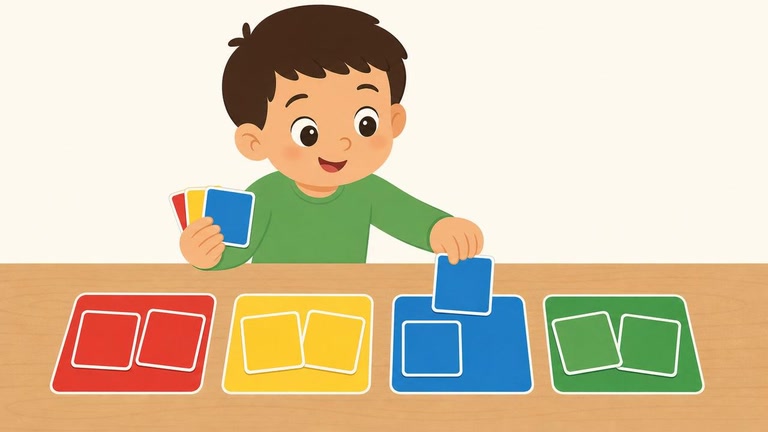
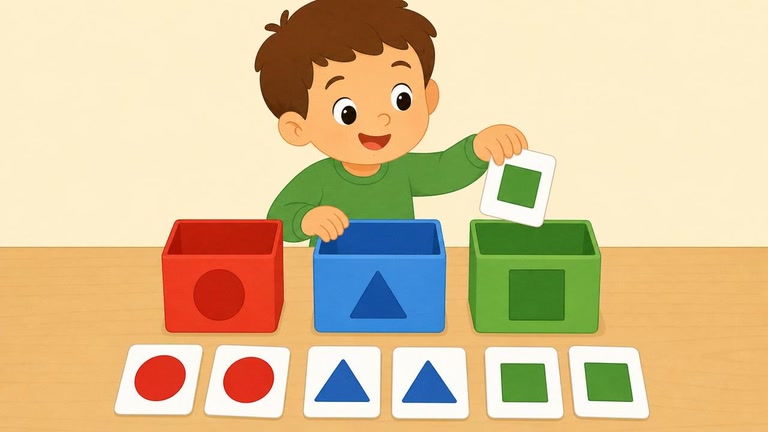
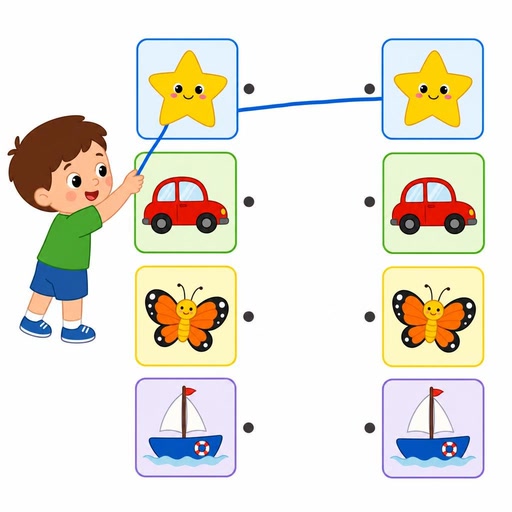
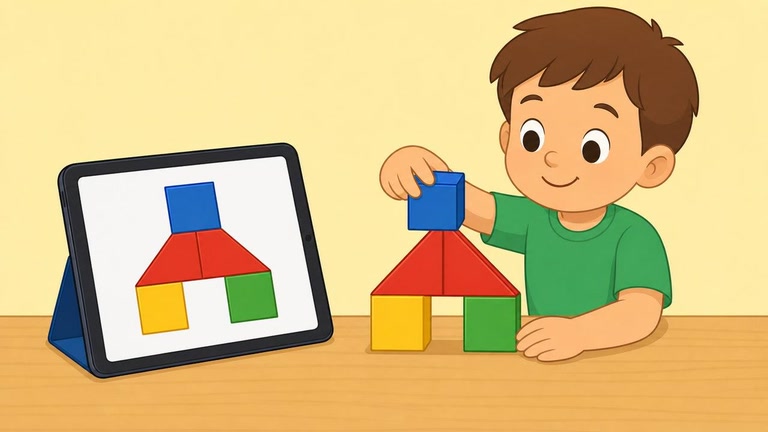
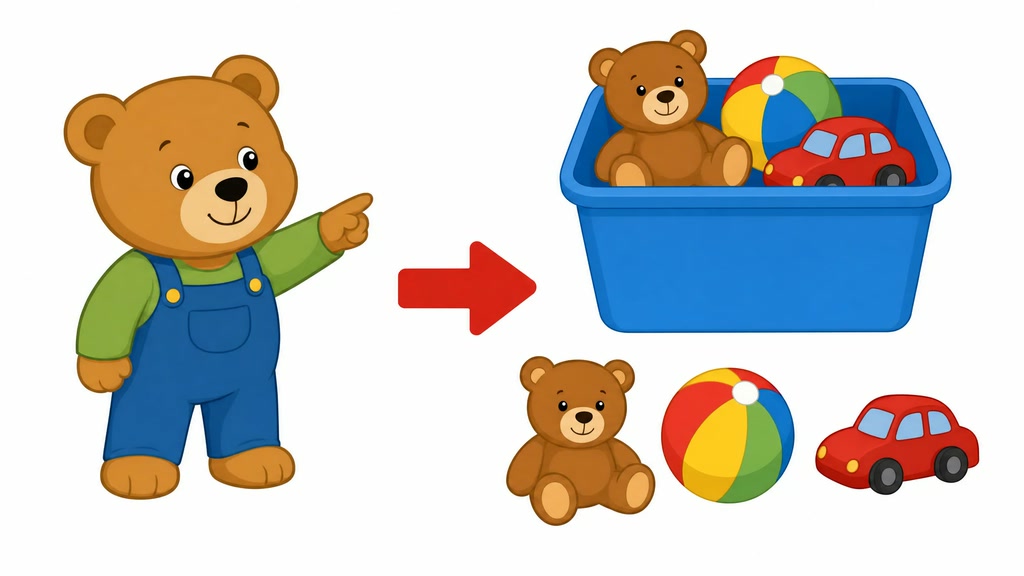
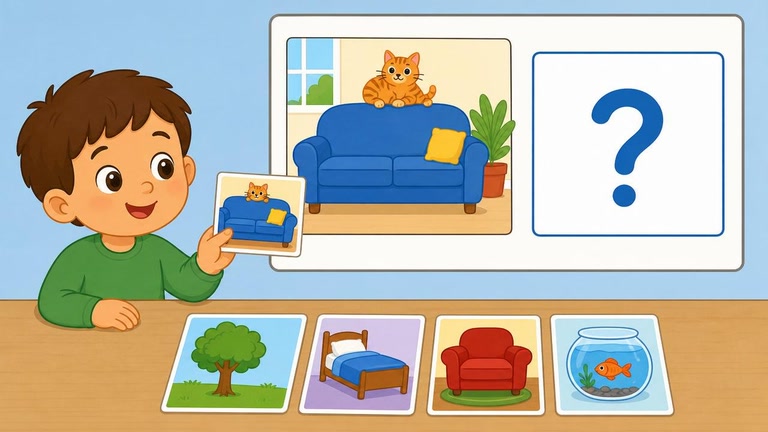
Many ABLLS-R skill areas can be practiced with simple printed materials between sessions. SuperChild’s free printables line up with the basic learner areas that most early programs target first: visual performance, receptive language, requests, labeling and intraverbals, plus prepositions, classroom routines and early math.
- Visual performance (B)
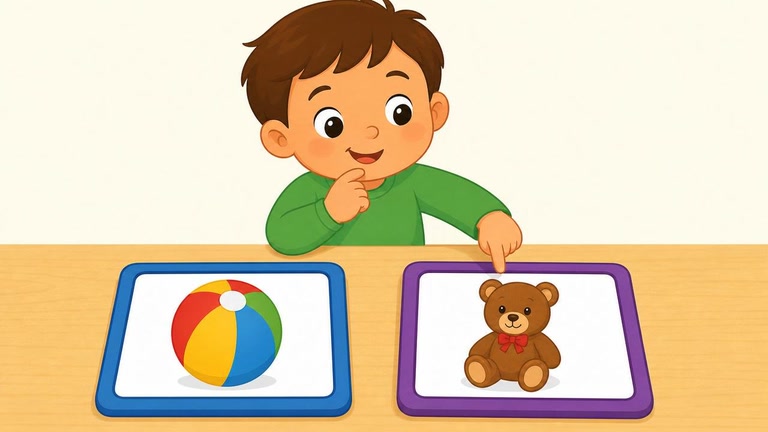
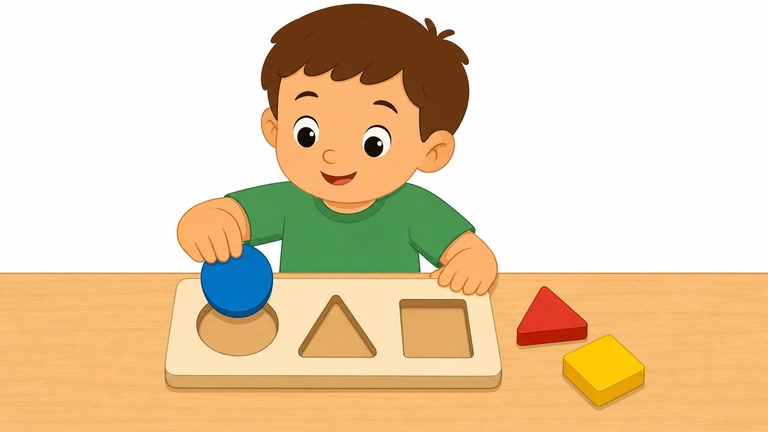
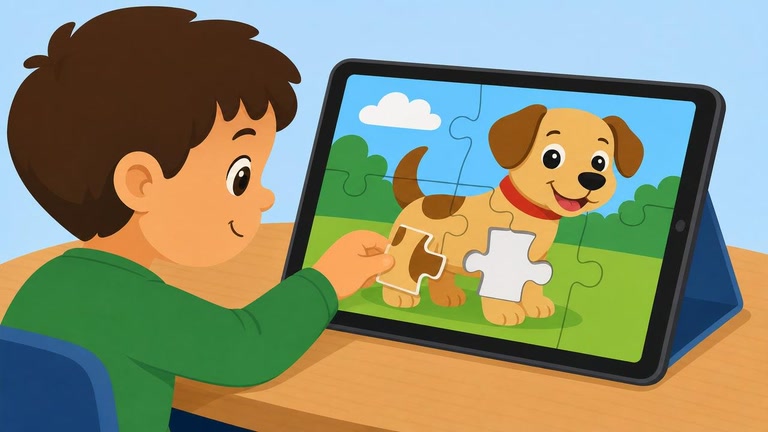
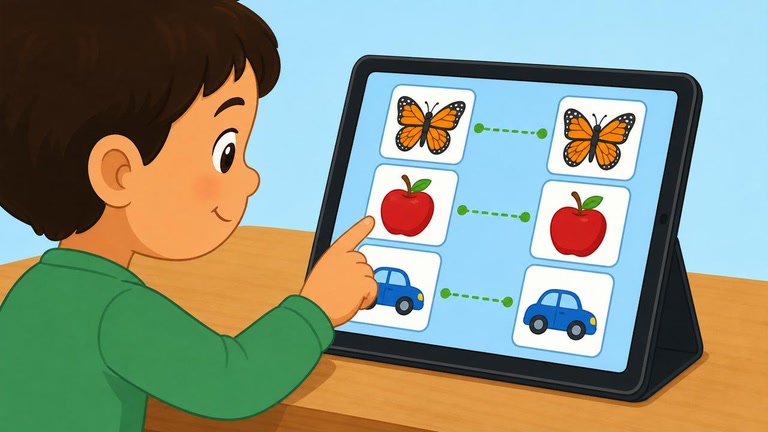
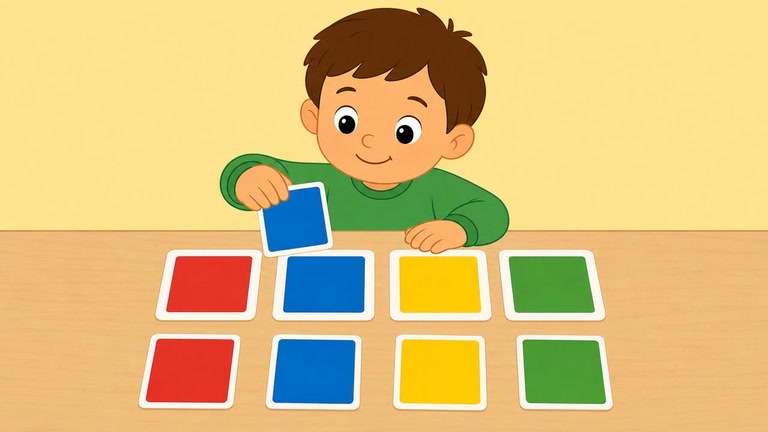
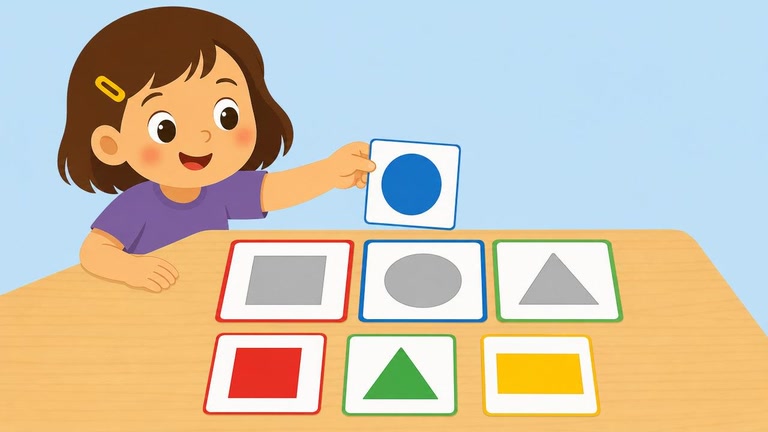
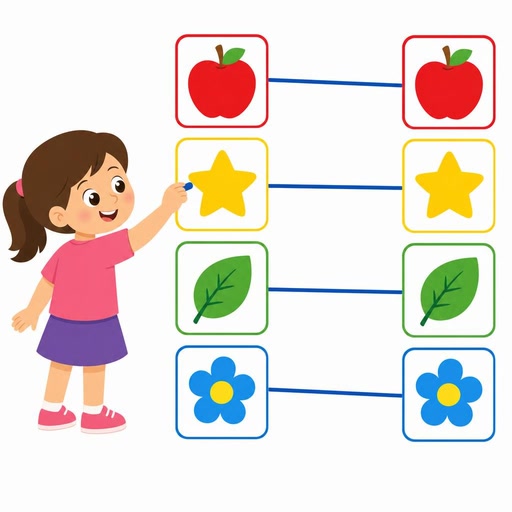
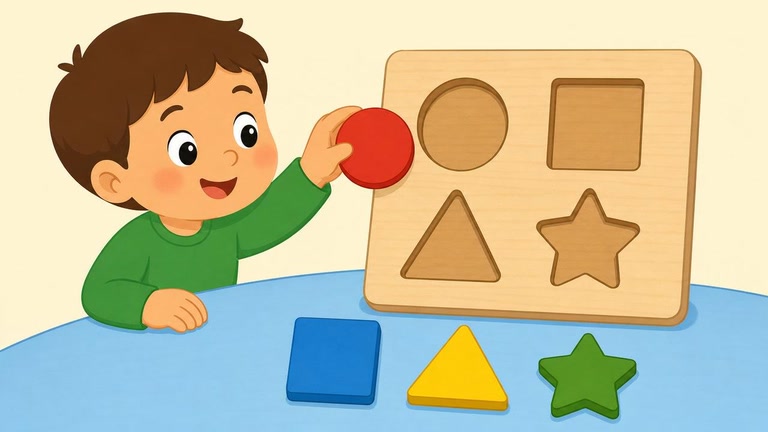
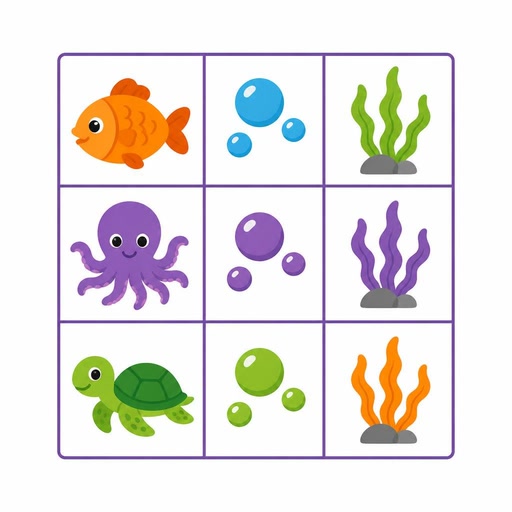
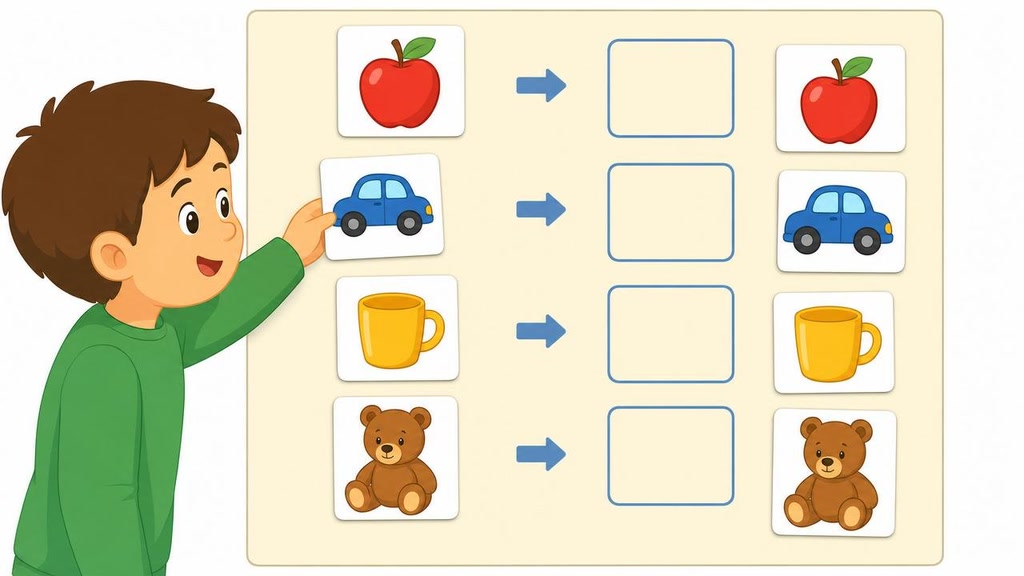
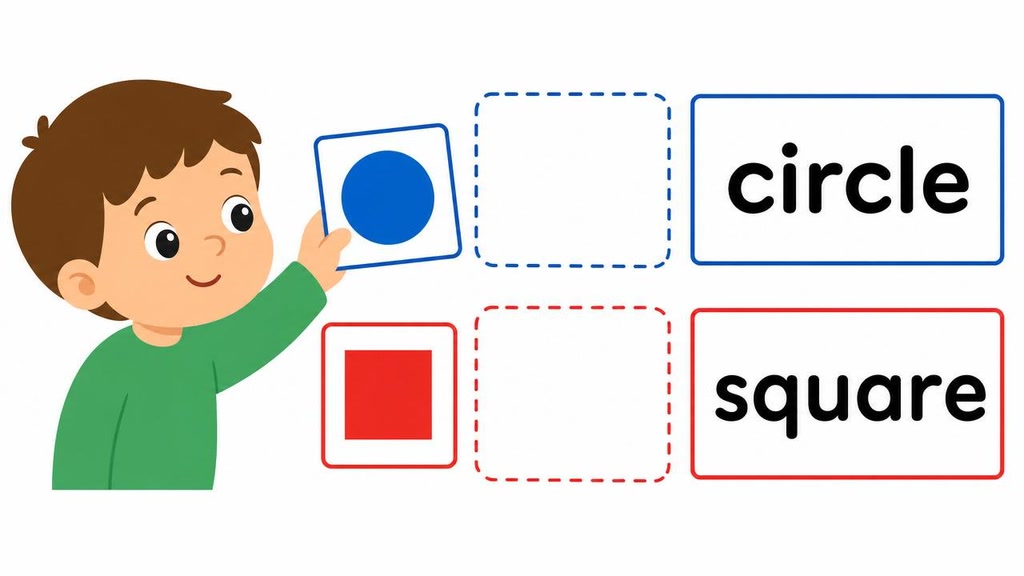
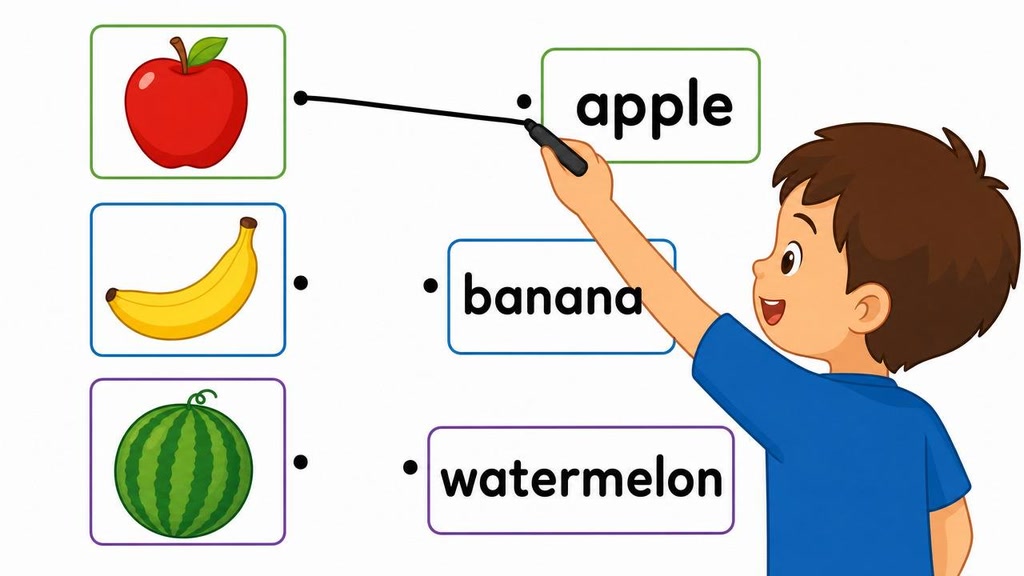
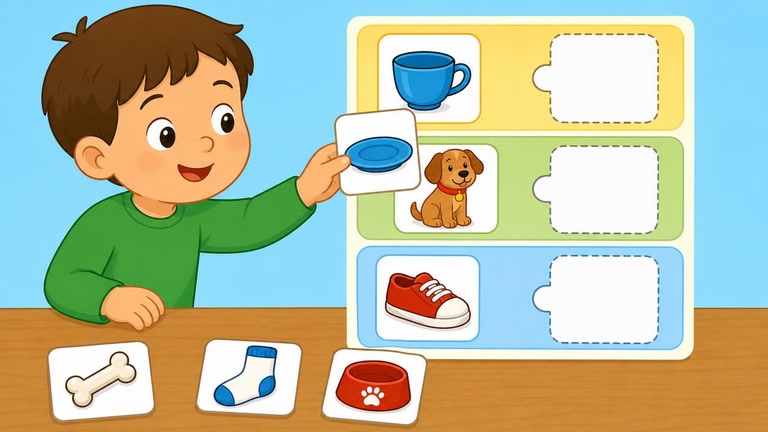
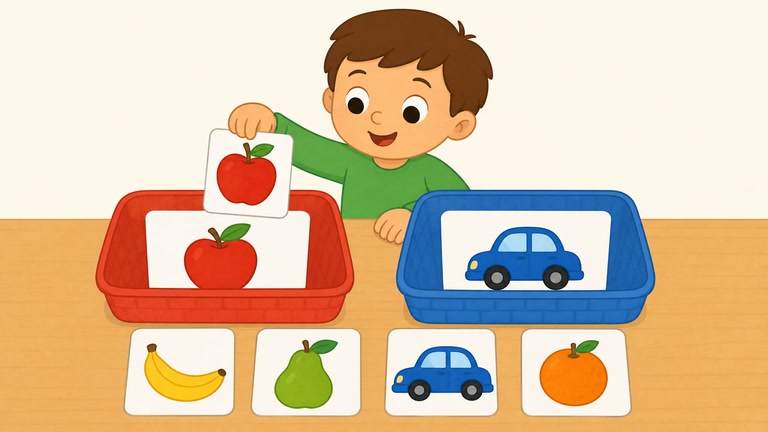
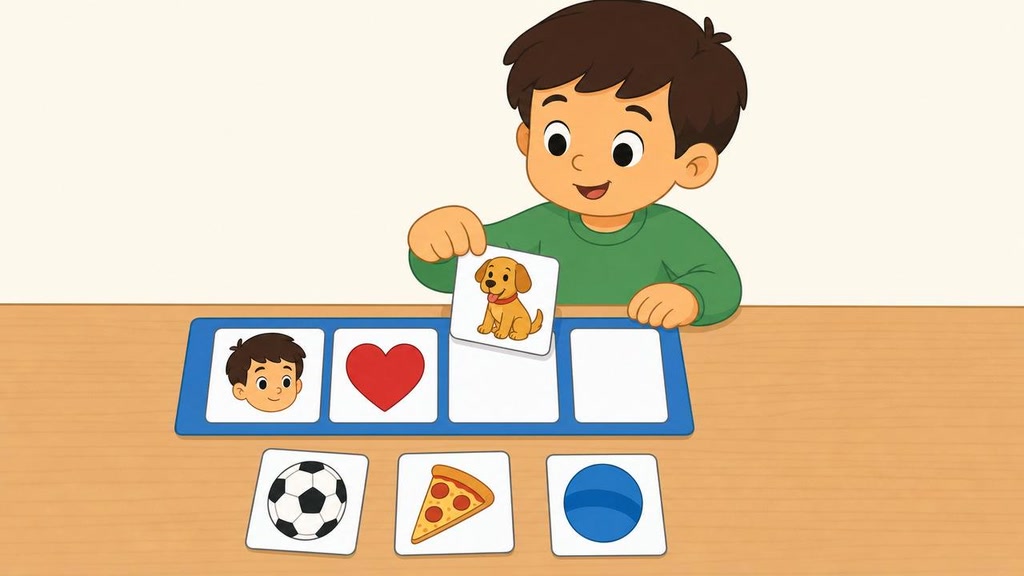
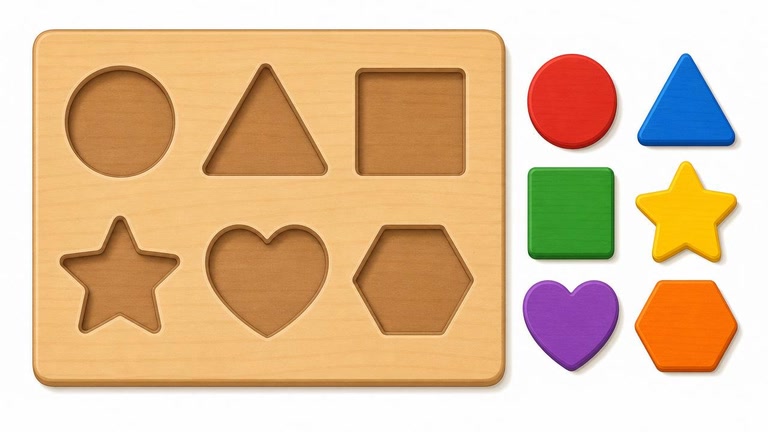
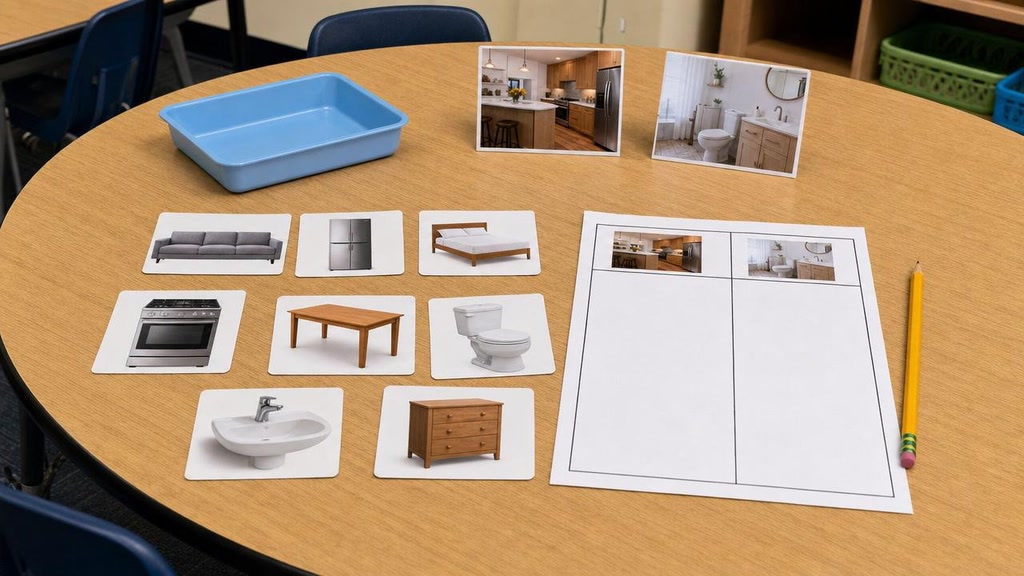
- Matching activities for autism and visual perception activities for matching, sorting, patterns and puzzles.
- Receptive language (C)
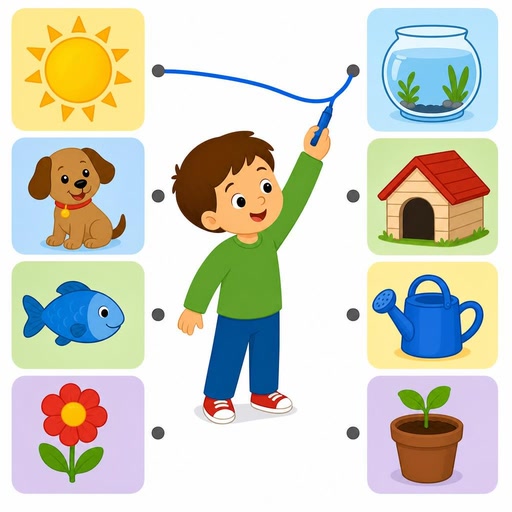
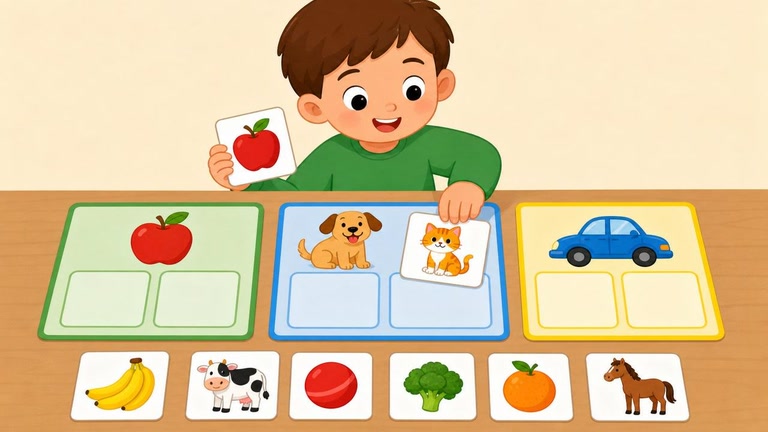
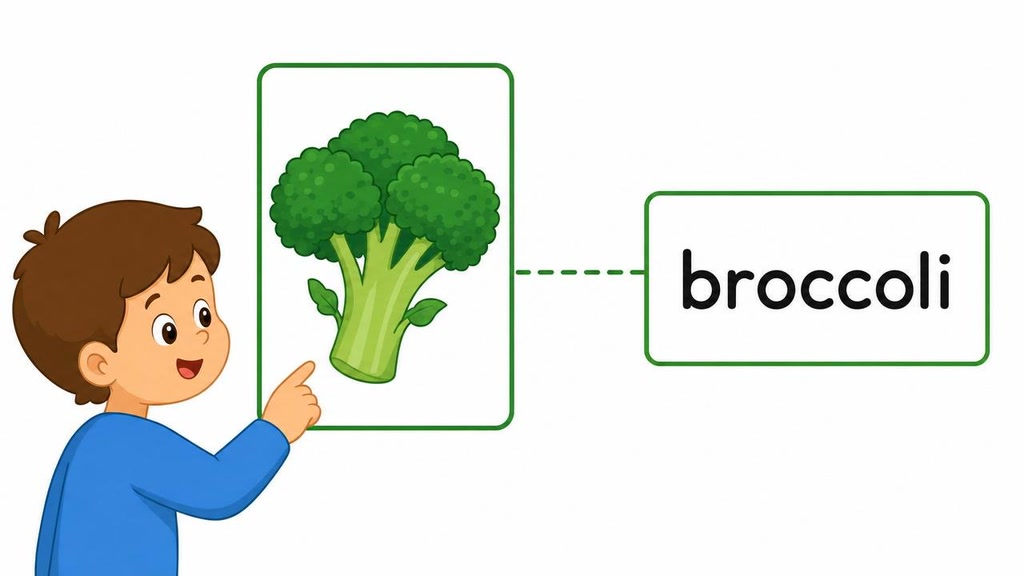
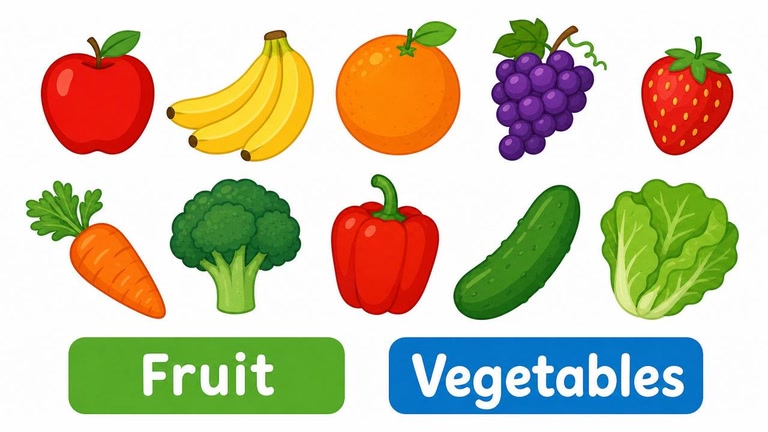
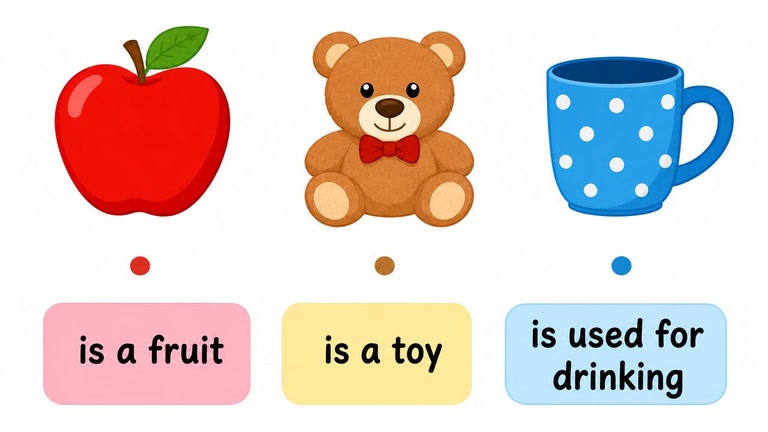
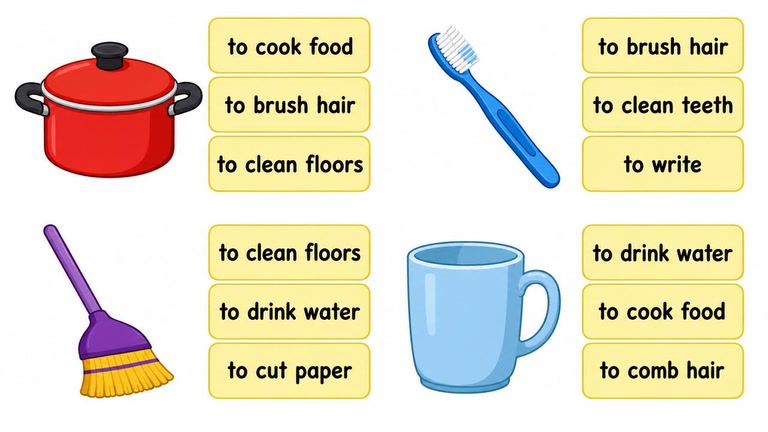
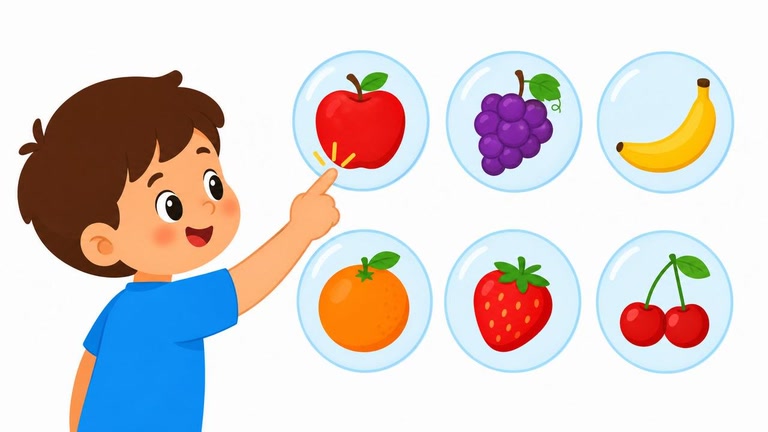
- Receptive language activities, following directions worksheets and feature, function and class activities for selecting items by what they do or what group they belong to.
- Requests (F)
- A free PECS book printable for learners who request with pictures.
- Labeling (G)
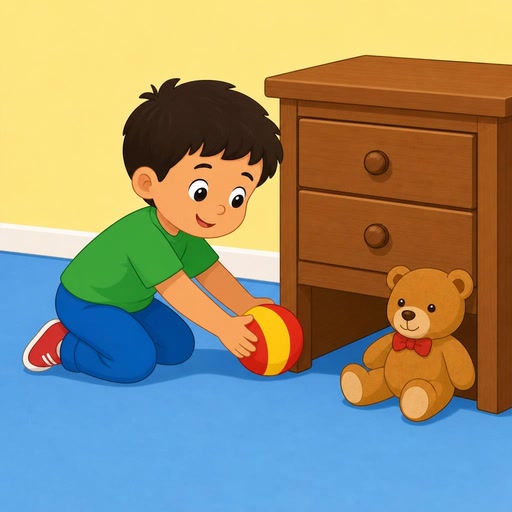
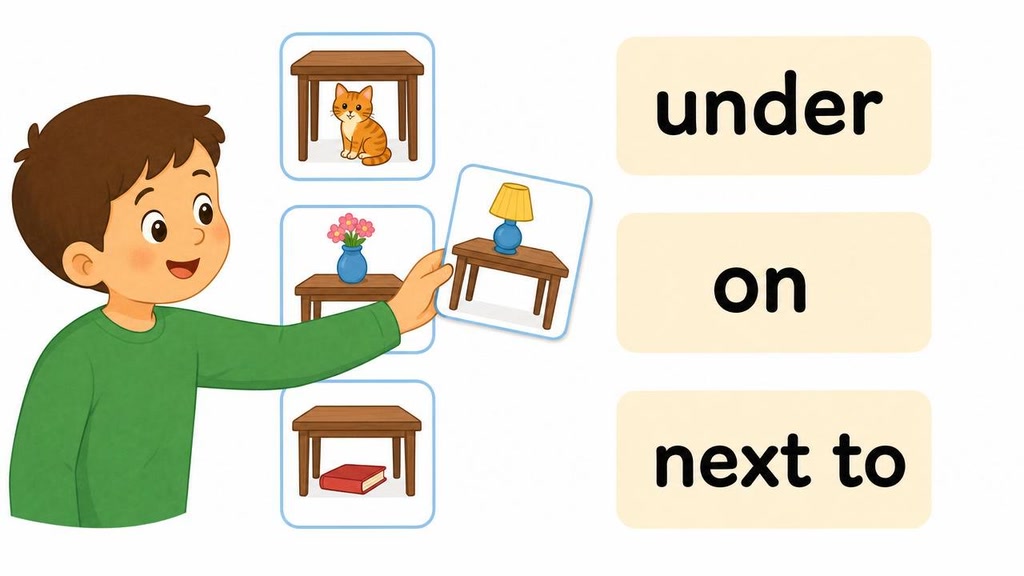
- Teaching body parts cards for labeling and pointing, and teaching prepositions for in, on and under, which appear in both the receptive and labeling areas.
- Intraverbals (H)
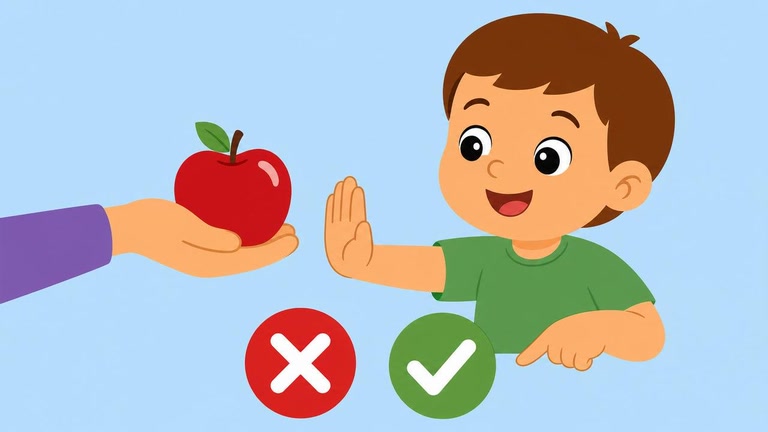
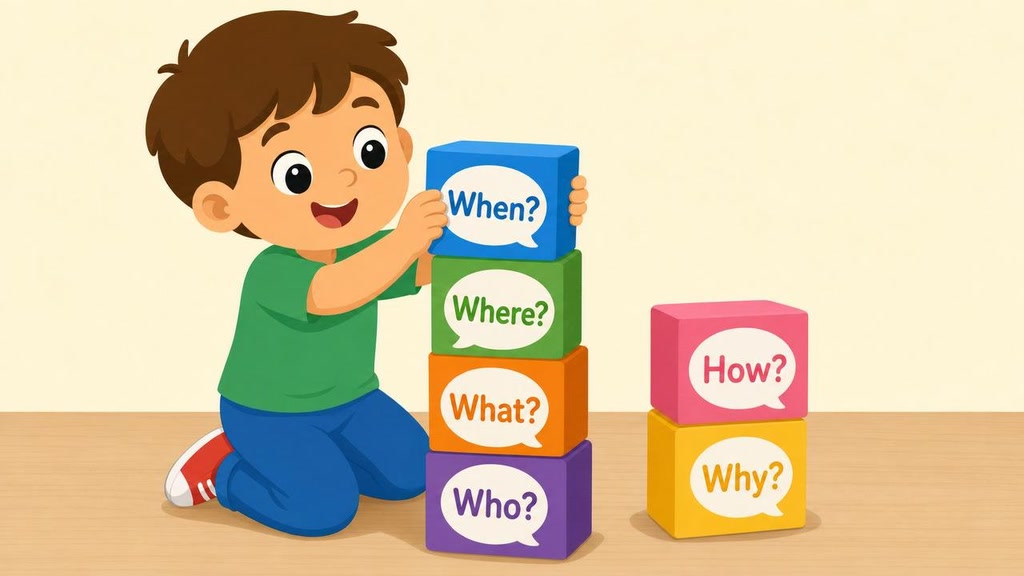
- WH questions for autism and yes/no questions for answering questions without visual cues.
- Classroom routines (N)
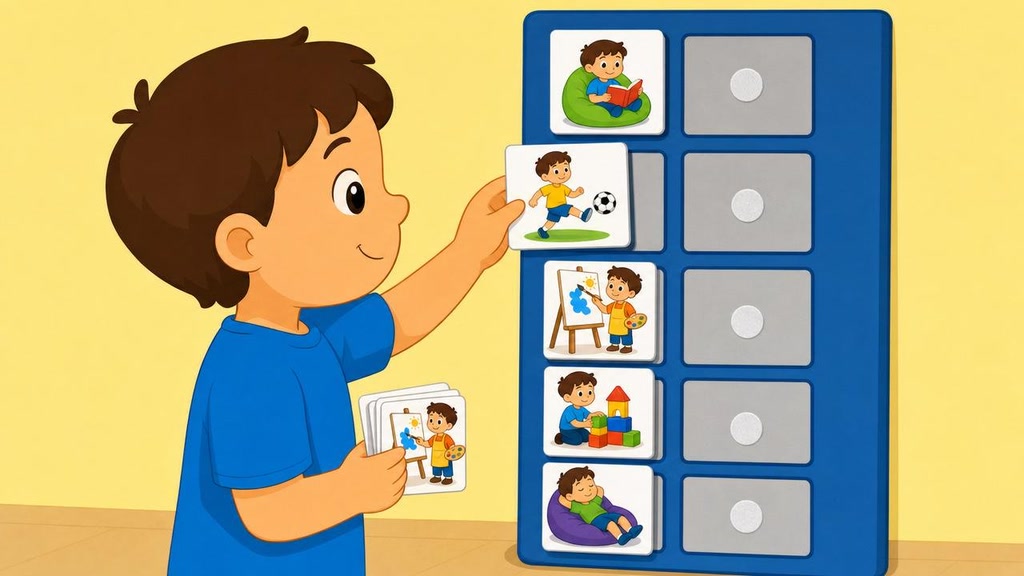
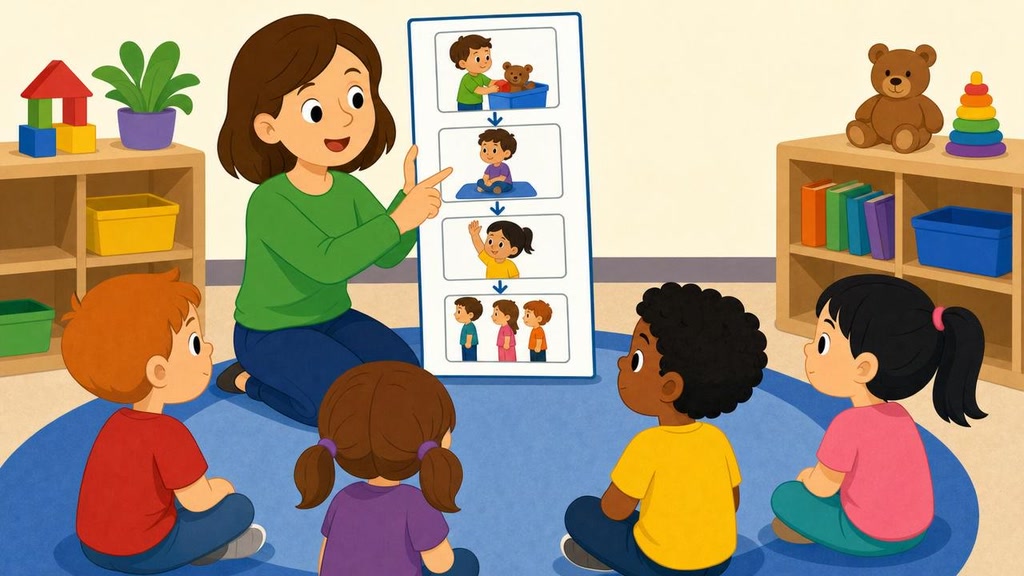
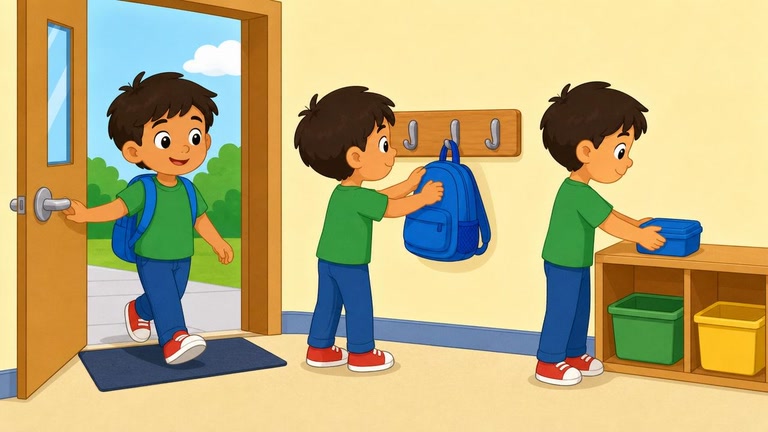
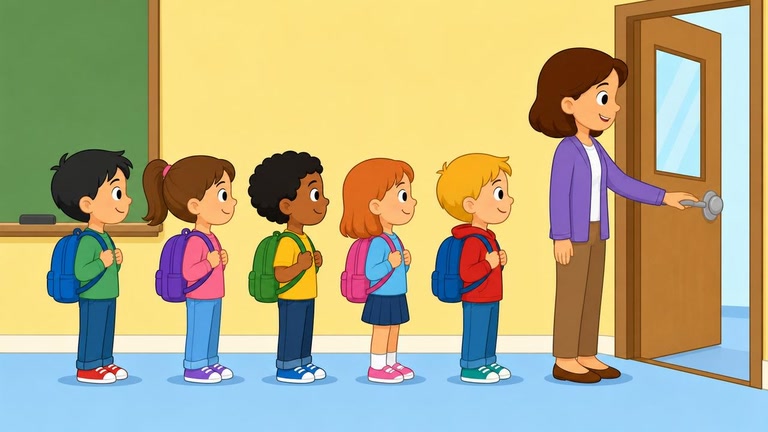
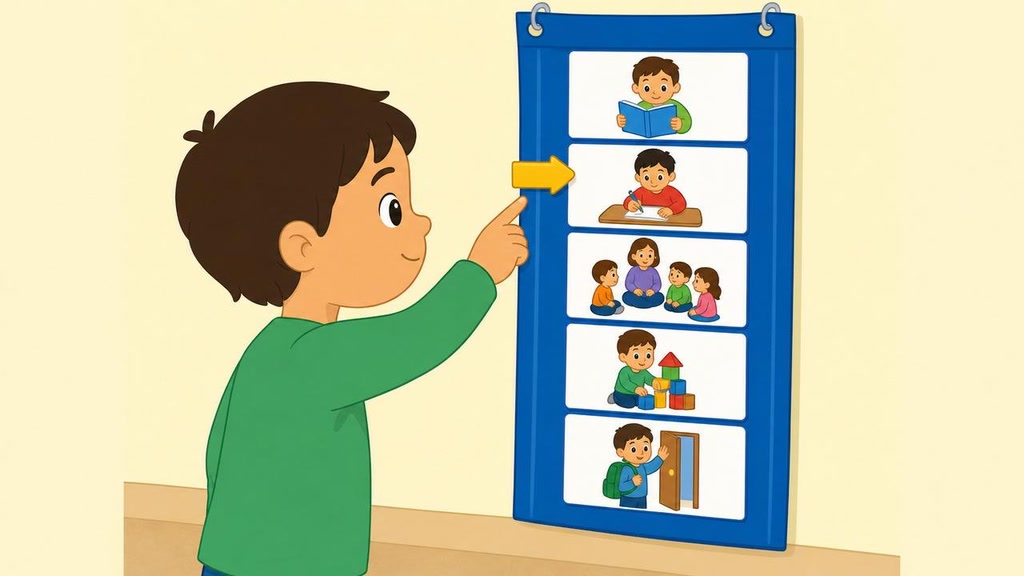
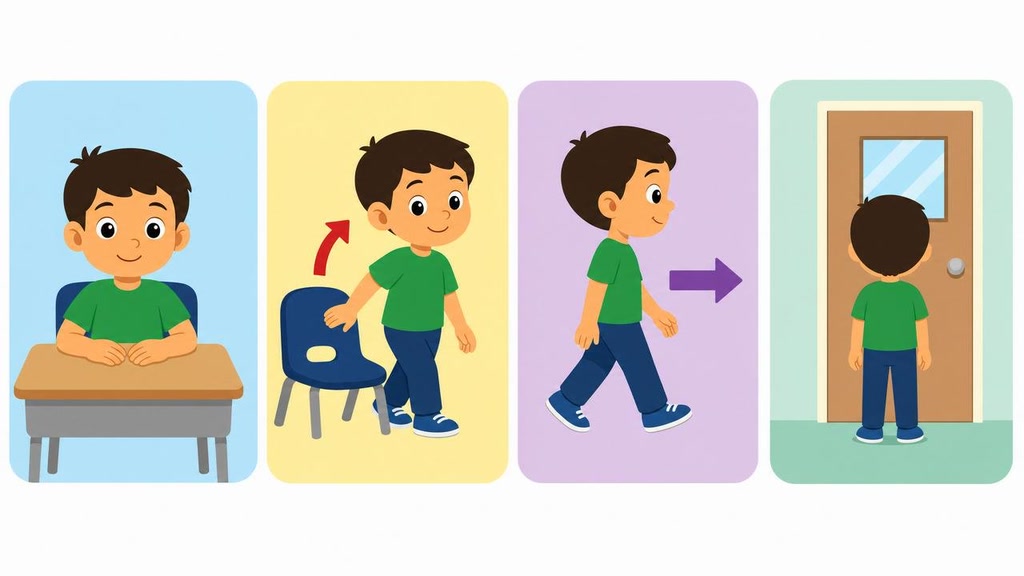
- Visual schedule printables for following a routine and moving between activities.
- Math (R)
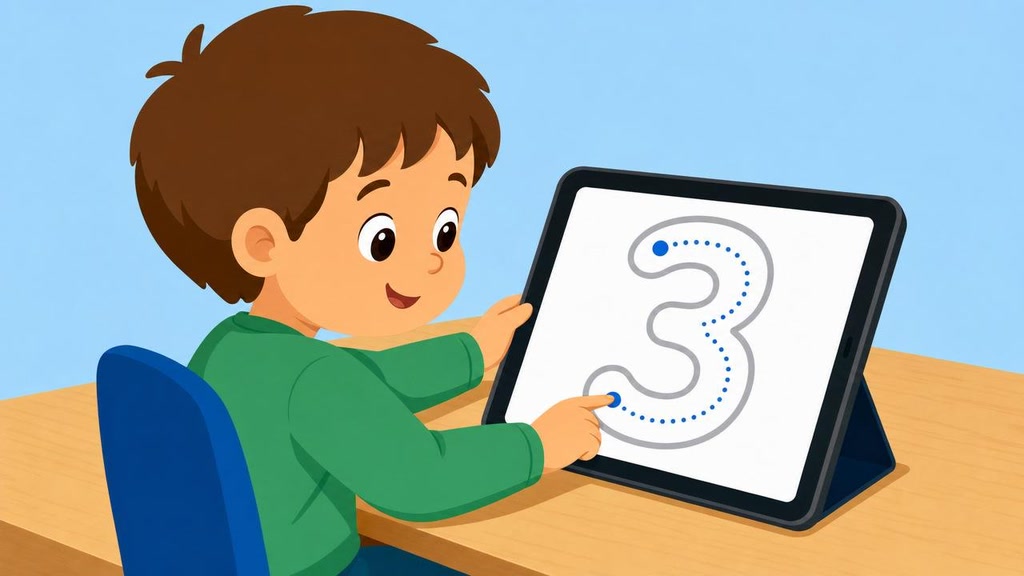
- Math activities for autism for counting, number matching and quantity.
What is the difference between the ABLLS-R and the AFLS?
The difference between the ABLLS-R and the AFLS is focus: the ABLLS-R covers basic language, learning and early academic skills up to kindergarten level, while the AFLS covers functional living skills for home, school, community and work across the lifespan. Both are by James Partington and use the same style of shaded grid.
The AFLS (Assessment of Functional Living Skills), by James Partington and Michael Mueller, has six protocols: basic living, home, community participation, school, independent living and vocational skills. Teams often move a learner from the ABLLS-R to the AFLS as they get older, or use the AFLS Basic Living Skills protocol next to the ABLLS-R for a child who needs both language and self-care goals.
Common ABLLS-R mistakes
The most common ABLLS-R mistakes come from its length: teams try to teach all 544 skills in order, give credit for a skill seen once with help, or copy item wording into goals. The ABLLS-R works best as a map for choosing the few skills that matter most for a learner right now.
- Trying to teach all 544 skills in order. The ABLLS-R is a map, not a to-do list; pick the skills that matter most for this learner now.
- Giving credit for a skill seen once, with help, in one setting.
- Writing goals that copy the item wording instead of describing what the learner will do, where and how often.
- Letting the grid sit untouched between full assessments instead of updating it as skills are mastered.
- Focusing on academics while basic learner skills like cooperation, requests and generalized responding are still weak.
Where to buy the ABLLS-R protocol
The ABLLS-R protocol and guide are copyrighted and sold by Partington Behavior Analysts and authorized distributors, often as a set. Each learner needs an individual ABLLS-R protocol, because the assessor scores and shades the same booklet over months or years. An online version, WebABLLS, is also available for teams that track digitally.
Free download1 ZIP · 94 packs
All 94 printable skill packs, free
Listening, matching, math, reading and more, one skill per pack, each with an adult guide, practice rounds and a log.
Sources
Cite this page
Citation (APA style)
SuperChild. (2026). The ABLLS-R assessment: skill areas, scoring and tracking, explained. Retrieved from https://superchild.ai/ablls-r
Link for your website
<a href="https://superchild.ai/ablls-r">The ABLLS-R assessment: skill areas, scoring and tracking, explained</a> (SuperChild)