On this page
What is pairing in ABA therapy?
Pairing is delivering things a child already enjoys (toys, snacks, songs, tickles) while you are present and asking nothing in return, so that you yourself become something the child wants. In behavior analytic terms, the adult becomes a conditioned reinforcer.
Every new adult starts neutral or worse: to a child with autism, a stranger at the toy shelf can look like the person who takes toys away and asks for work. Each time you show up with bubbles, the iPad song or the favorite cracker, you borrow a little of their value.
It is the first step in the session plan of nearly every ABA program, and the reason a good first week looks like play. Rapport is the result you want; pairing is the procedure that gets you there, with rules you can follow and data you can take.
- Instructional control
- The child follows your instructions because doing so reliably pays off. It grows out of pairing.
- Re-pairing
- Going back to pure giving after a break, a new setting or a hard session, until approach returns.
The pairing procedure in four stages
Pairing moves from giving freely with no demands, to becoming the person who controls access to the good things, to adding one tiny easy demand, to slowly increasing how often you ask. You move up a stage only when the child approaches you reliably at the current one.
Think of a staircase. The child should never notice the step up, and if they start to back away, you step down. A BCBA usually sets the criteria; many teams move on after two or three sessions in which the child approaches in most minutes and shows no avoidance.
- 1Give freely, ask for nothingJoin what the child is doing and make it better: a longer ramp, a sound effect, the next puzzle piece. No questions, instructions or “say ball.”
- 2Become the giverHold the favorites so they come through you: the bubble wand, the snack bag, the tablet that plays when you start it. Give often and generously.
- 3Add tiny, easy demandsOnce the child approaches you, slip in a demand they can already do in two seconds, like a high five or a mand they already have. Reinforce big, then go back to free giving.
- 4Build the demand ratioRaise how often you ask, then how hard, while the child keeps approaching: from one easy demand per eight to ten free deliveries toward one reinforcer per two or three responses.
A first pairing session, minute by minute
In a first session, spend about 15 minutes watching and joining in, the next 20 delivering favorite items yourself, and only in the last 10 try one easy request, if the child already approaches you.
A script for a new RBT meeting a child at home, for a 45-minute block. Ask the parent beforehand for the child’s top five favorites and anything that upsets them, and bring two or three new things.
A first pairing session for a new RBT, minute by minute
0 to 5
- What you do
- Sit on the floor at a distance, side-on, and watch what the child chooses. Talk to the parent, not the child.
- What you say
- Almost nothing. Narrate quietly: “Train. Fast train.”
5 to 15
- What you do
- Join in next to the child, copy their play and add to it: another track piece, a crash sound.
- What you say
- Short comments only. No questions, no names of colors to test.
15 to 25
- What you do
- Bring out your new items. Blow bubbles, wind up a toy, offer the snack the parent named.
- What you say
- “Ready, set... go!” and the bubbles fly.
25 to 35
- What you do
- Hold the favorites so they come through you. Hand them over freely and often, before the child has to ask.
- What you say
- “Here’s more bubbles!” “Your turn!”
35 to 40
- What you do
- If the child is coming to you, try one easy demand: a high five, or holding out your hand for the car. Reinforce big.
- What you say
- “High five!” then “Yes! More bubbles!”
40 to 45
- What you do
- End on a high: give a favorite, say goodbye, leave a little before the child loses interest.
- What you say
- “Bye! Bubbles next time.”
| Minutes | What you do | What you say |
|---|---|---|
| 0 to 5 | Sit on the floor at a distance, side-on, and watch what the child chooses. Talk to the parent, not the child. | Almost nothing. Narrate quietly: “Train. Fast train.” |
| 5 to 15 | Join in next to the child, copy their play and add to it: another track piece, a crash sound. | Short comments only. No questions, no names of colors to test. |
| 15 to 25 | Bring out your new items. Blow bubbles, wind up a toy, offer the snack the parent named. | “Ready, set... go!” and the bubbles fly. |
| 25 to 35 | Hold the favorites so they come through you. Hand them over freely and often, before the child has to ask. | “Here’s more bubbles!” “Your turn!” |
| 35 to 40 | If the child is coming to you, try one easy demand: a high five, or holding out your hand for the car. Reinforce big. | “High five!” then “Yes! More bubbles!” |
| 40 to 45 | End on a high: give a favorite, say goodbye, leave a little before the child loses interest. | “Bye! Bubbles next time.” |
If the child walks away at any point, go back one row and stay there longer.
16 pairing activities by child profile
The best pairing activity is whatever the child already chooses, made better by you. Match activities to the child: movement and sensory play for sensory seekers, toys with parts you control for toy lovers, shared screen time for screen-focused children, and interests and humor for older children.
Pick activities the child cannot run alone, so you are needed: your hands blow the bubbles and push the swing. A quick preference check before each session keeps the menu current, because favorites change week to week. Older children who respond to rewards they can see often like a token board later on.
Pairing activities by child profile
Sensory seeker
- Pairing activity
- Bubbles
- How you become the giver
- You blow on “ready, set, go.”
Sensory seeker
- Pairing activity
- Tickles and squeezes
- How you become the giver
- A “tickle monster” that comes back on request.
Sensory seeker
- Pairing activity
- Spinning, swinging, bouncing
- How you become the giver
- You push, spin and count.
Sensory seeker
- Pairing activity
- Blanket rides and burrito rolls
- How you become the giver
- You pull or roll the blanket.
Toy-focused
- Pairing activity
- Wind-up toys and spinning tops
- How you become the giver
- You wind and launch.
Toy-focused
- Pairing activity
- Marble run or car ramp
- How you become the giver
- You hand over each piece.
Toy-focused
- Pairing activity
- Balloons
- How you become the giver
- You blow it up and let it zoom.
Toy-focused
- Pairing activity
- Puzzles with a missing piece
- How you become the giver
- You pass the pieces over freely.
Screen-focused
- Pairing activity
- Favorite video clip
- How you become the giver
- You start it and sing along.
Screen-focused
- Pairing activity
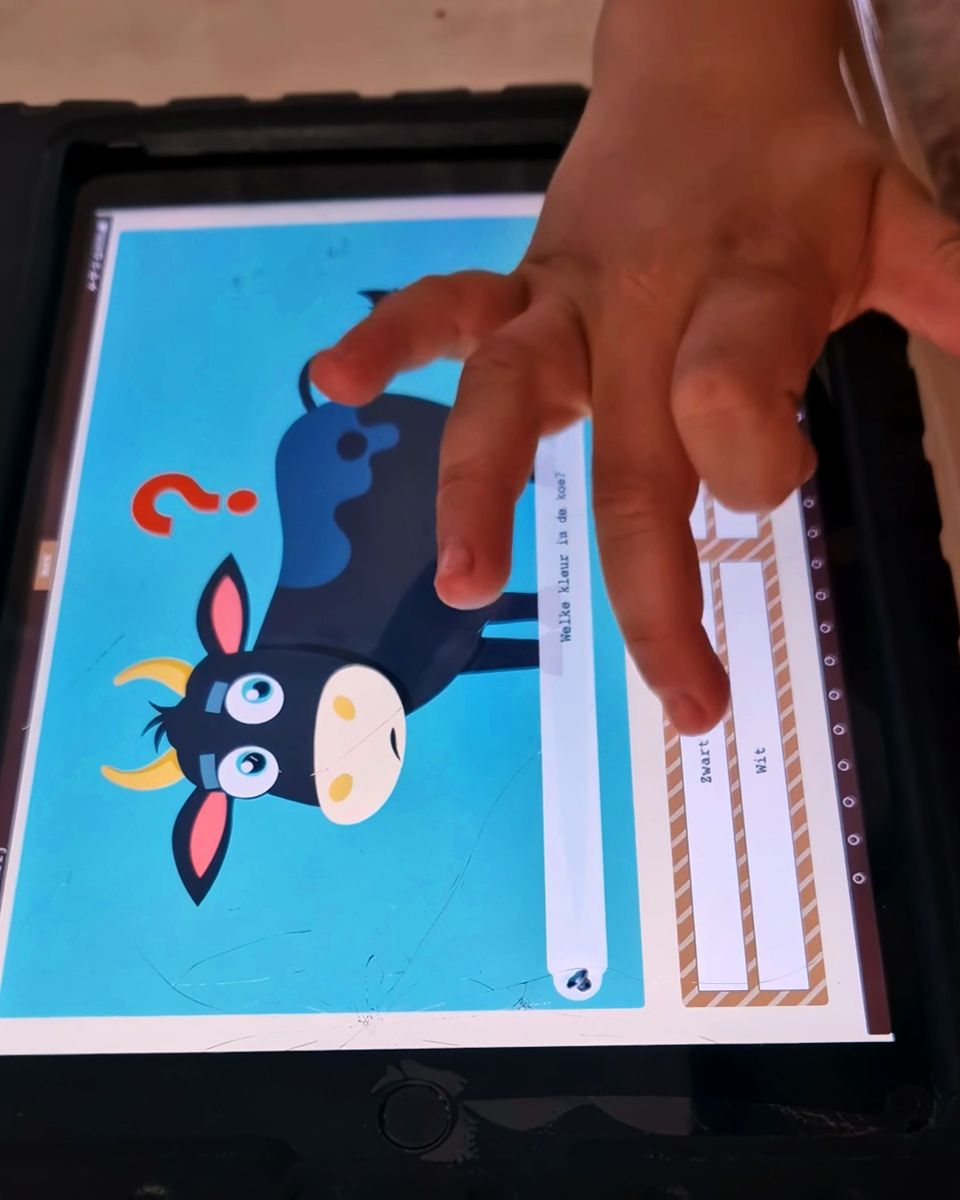
- Tablet game side by side
- How you become the giver
- You cheer and hand over turns.
Screen-focused
- Pairing activity
- Acting out a favorite show
- How you become the giver
- You play the character.
Screen-focused
- Pairing activity
- Photos and videos of the child
- How you become the giver
- You film silly moments and replay them.
Older child
- Pairing activity
- Special interest talk
- How you become the giver
- You bring a new fact or picture.
Older child
- Pairing activity
- Jokes and silly mistakes
- How you become the giver
- You get things wrong on purpose.
Older child
- Pairing activity
- Building or drawing together
- How you become the giver
- You supply the best parts.
Older child
- Pairing activity
- Snacks they choose
- How you become the giver
- You keep the bag and share generously.
| Child profile | Pairing activity | How you become the giver |
|---|---|---|
| Sensory seeker | Bubbles | You blow on “ready, set, go.” |
| Sensory seeker | Tickles and squeezes | A “tickle monster” that comes back on request. |
| Sensory seeker | Spinning, swinging, bouncing | You push, spin and count. |
| Sensory seeker | Blanket rides and burrito rolls | You pull or roll the blanket. |
| Toy-focused | Wind-up toys and spinning tops | You wind and launch. |
| Toy-focused | Marble run or car ramp | You hand over each piece. |
| Toy-focused | Balloons | You blow it up and let it zoom. |
| Toy-focused | Puzzles with a missing piece | You pass the pieces over freely. |
| Screen-focused | Favorite video clip | You start it and sing along. |
| Screen-focused | Tablet game side by side | You cheer and hand over turns. |
| Screen-focused | Acting out a favorite show | You play the character. |
| Screen-focused | Photos and videos of the child | You film silly moments and replay them. |
| Older child | Special interest talk | You bring a new fact or picture. |
| Older child | Jokes and silly mistakes | You get things wrong on purpose. |
| Older child | Building or drawing together | You supply the best parts. |
| Older child | Snacks they choose | You keep the bag and share generously. |
Signs pairing is working, and signs it is not
Pairing is working when the child approaches you, follows you and hands you items to make something happen. It is not working yet when the child walks away, turns their back or protests when you come close.
Watch the child’s body. A child who brings you the bubble jar has decided you are useful; a child who drifts to the far corner each time you sit down finds being near you too costly still.


How to measure pairing: a simple data sheet
Split the first 10 minutes into one-minute intervals and mark each one as approach, neutral or avoid. Add a tally of spontaneous mands. A rising percentage of approach intervals tells you when to add demands.
Approach means the child moves toward you, reaches for you or hands you something. Avoid means they move away, push you off or protest. Pairing studies measure exactly these behaviors. Graph the approach percentage per session in the ABA graph maker and you can show the BCBA the trend at a glance.
Re-pairing after a break or a hard session
Re-pair at the start of every session, after a vacation, in a new room, and after any session with crying or escape behavior: two to ten minutes of free giving until the child approaches again. A child who avoids you after a hard session needs more free giving before the next demand.
Pairing and manding: from giving to teaching
Pairing sets up manding. Once you control access to a favorite item, you are the way to get it, so the first demand is often a mand: the child asks, and you give right away.
A motivating operation (MO) is a passing state that makes something valuable right now. You contrive one by giving a little of a favorite, then pausing: three bubbles, then the wand stops. The child looks at you, reaches, or says “bub,” and the bubbles come back. That mand is the gentlest first demand, because it pays off instantly.
The VB-MAPP lists mands as the first milestone area, and the VB-MAPP goal mapper helps turn those milestones into session goals. For a child without speech, a picture exchange works the same way.
- Free printablePECS book printableA picture exchange starter book so a child can mand for favorites before speech is reliable.
- Assessment guideVB-MAPP goal mapperMap mand and listener milestones to the next session goals.
- Free toolToken board makerOnce the ratio grows, a token board shows how many responses until the big reward.
Pairing at home: a guide for parents
Parents pair the same way therapists do: spend 10 minutes a day joining your child’s favorite activity with no questions or instructions, and be the one who brings the snack, starts the song and pushes the swing.
Daily demands (get dressed, eat your peas, bedtime) can wear pairing down. A short daily block of demand-free play tops it back up. Ask your child’s team what the current demand ratio is, so home and therapy match.
- Choose a time with no pressure, like after school or before bath.
- Follow your child’s lead and narrate in two or three words: “Big tower. Crash!”
- Keep the best snacks and toys for these minutes, so they feel special.
- Use a first-then board for daily chores, and keep pairing time free of it.
Common pairing mistakes
The most common pairing mistakes are asking questions too early, testing what the child knows, holding favorite items hostage until the child complies, and adding demands faster than the child’s approach data allows.
Most of these come from rushing toward “real” teaching.
- Asking questions too early
- “What color is it?” is a demand. Comment instead.
- Testing
- Asking for “ball” before handing it over turns a gift into a task.
- Holding reinforcers hostage
- Taking the toy until the child complies teaches them you take things away.
- Being boring
- A flat face and voice. Be the fun part.
- Ignoring avoidance
- Pushing on when the child turns away. Step back a stage.
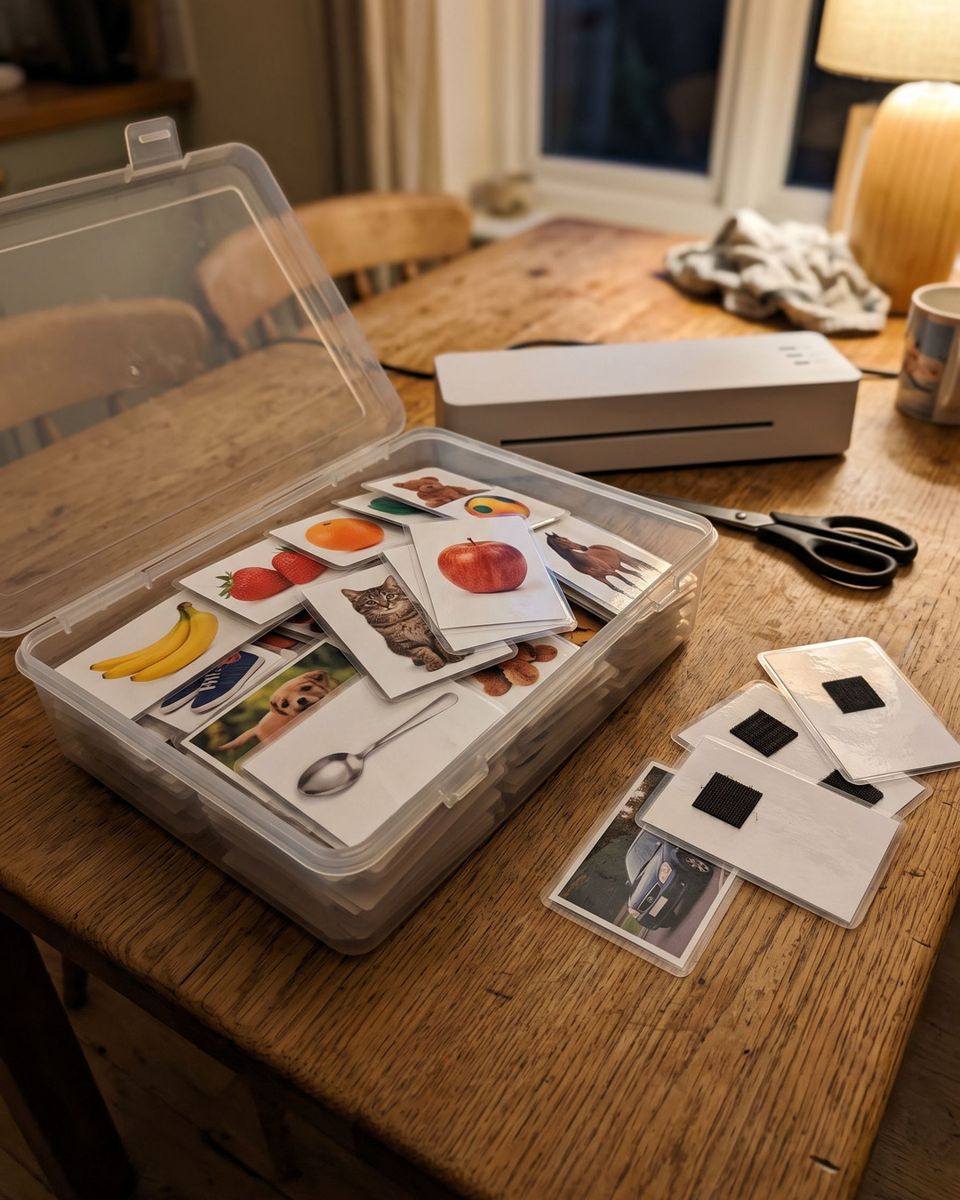
Free download1 ZIP · 94 packs
All 94 printable skill packs, free
Listening, matching, math, reading and more, one skill per pack, each with an adult guide, practice rounds and a log.
Sources
- Sundberg & Michael: The Benefits of Skinner’s Analysis of Verbal Behavior for Children with Autism (Behavior Modification, 2001)
- Shillingsburg, Bowen & Shapiro: Increasing social approach and decreasing social avoidance in children with autism spectrum disorder during discrete trial training (Research in Autism Spectrum Disorders, 2014)
- Kelly, Axe, Allen & Maguire: Effects of presession pairing on the challenging behavior and academic responding of children with autism (Behavioral Interventions, 2015)
- Lugo, King, Lamphere & McArdle: Developing procedures to improve therapist-child rapport in early intervention (Behavior Analysis in Practice, 2017)
- Behavior Analyst Certification Board: Registered Behavior Technician (RBT)
Cite this page
Citation (APA style)
SuperChild. (2026). Pairing in ABA therapy: how to become the best thing in the room. Retrieved from https://superchild.ai/blog/pairing-in-aba
Link for your website
<a href="https://superchild.ai/blog/pairing-in-aba">Pairing in ABA therapy: how to become the best thing in the room</a> (SuperChild)