On this page
- What are sensory activities, and why do autistic children need them?
- Sensory seeker vs sensory avoider
- Sensory play activities for autism, sense by sense
- Calming sensory activities vs alerting ones
- Turn sensory play into communication practice
- A sample sensory-break schedule for a preschool day
- Safety notes and what the evidence says
What are sensory activities, and why do autistic children need them?
Sensory activities are play that targets one or more senses on purpose, to help a child feel calm, alert or ready to learn. Most autistic children react to sensory input more or less strongly than other children, so the right activity at the right time helps them stay regulated.
Over- or under-reactivity to sound, touch, light, smell or movement is part of the diagnostic criteria for autism, and parents see it every day: the child who covers their ears at the hand dryer, chews every sleeve, or spins without getting dizzy. Sensory activities give that child a predictable way to get what their body needs before stress builds up.
Most people learn about five senses. Occupational therapists (OTs) work with eight, and the three extra ones explain a lot of behavior. Proprioception is the sense of where your body is, from muscles and joints; heavy work feeds it. Vestibular input comes from the inner ear when you move or tip your head. Interoception tells you you are hungry, hot or need the toilet.


Sensory seeker vs sensory avoider
A sensory seeker under-responds to input and looks for more of it: crashing, spinning, chewing, touching everything. A sensory avoider over-responds and pulls away: covering ears, refusing textures, avoiding messy play. The same child can seek movement and avoid sound.
Watch your child for a week and note which senses they seek and which they avoid. That list matters more than any label, because it tells you what to offer and what to protect them from.
How seeking and avoiding look in each sense, and what to offer
Touch
- A seeker might
- Touch everything, mouth objects
- An avoider might
- Hate tags, sticky hands, haircuts
- Offer
- Dry bins first, then wetter textures
Movement
- A seeker might
- Spin, climb, rock without stopping
- An avoider might
- Fear swings, avoid feet off the ground
- Offer
- Slow, child-controlled movement
Sound
- A seeker might
- Make loud noises, bang toys
- An avoider might
- Cover ears, melt down in crowds
- Offer
- Ear defenders, warning before noise
Muscles and joints
- A seeker might
- Crash, jump, chew clothes
- An avoider might
- Rare; may seem floppy or tired
- Offer
- Heavy work, chewy snacks
| Sense | A seeker might | An avoider might | Offer |
|---|---|---|---|
| Touch | Touch everything, mouth objects | Hate tags, sticky hands, haircuts | Dry bins first, then wetter textures |
| Movement | Spin, climb, rock without stopping | Fear swings, avoid feet off the ground | Slow, child-controlled movement |
| Sound | Make loud noises, bang toys | Cover ears, melt down in crowds | Ear defenders, warning before noise |
| Muscles and joints | Crash, jump, chew clothes | Rare; may seem floppy or tired | Heavy work, chewy snacks |
Every child is different. An OT can assess sensory processing properly.
Sensory play activities for autism, sense by sense
Pick one or two activities per sense your child seeks or tolerates: a rice bin for touch, heavy work for the muscles, a swing for balance, a flashlight game for sight, stop-and-go music for hearing, scent jars for smell, crunchy or chewy snacks for taste, and a heartbeat check after jumping for interoception.
Each idea below uses things most homes and preschool classrooms already have. The last column shows where to pause so your child asks for more, which is where the learning happens.
Sensory activities for each of the eight senses, with materials and a communication moment
Touch
- Activity
- Sensory bin with hidden toys
- Materials
- Dry pasta or rice, scoops, small animals
- Communication moment
- Hold the scoop; wait for “scoop” or a point
Muscles and joints
- Activity
- Push the laundry basket to the kitchen
- Materials
- Basket with 4 to 6 books
- Communication moment
- “Push!” before each push
Balance
- Activity
- Swing or rock on a therapy ball
- Materials
- Swing, ball, or a blanket swing with two adults
- Communication moment
- Stop; wait for “go” or “more”
Sight
- Activity
- Flashlight chase on the ceiling
- Materials
- Flashlight, dim room
- Communication moment
- Choose the color sticker for the light
Hearing
- Activity
- Freeze dance
- Materials
- Music player or a drum
- Communication moment
- “Ready, set...” and wait for “go”
Smell
- Activity
- Scent jars
- Materials
- Vanilla, lemon, cinnamon in lidded jars
- Communication moment
- “Yes” or “no” card for each smell
Taste
- Activity
- Crunchy or chewy snack choice
- Materials
- Rice cakes, apple slices, dried mango
- Communication moment
- Hold up two; wait for a reach or word
Interoception
- Activity
- Heartbeat check after 10 jumps
- Materials
- Hand on chest, body pictures
- Communication moment
- Name it: “fast,” “tired,” “hot”
| Sense | Activity | Materials | Communication moment |
|---|---|---|---|
| Touch | Sensory bin with hidden toys | Dry pasta or rice, scoops, small animals | Hold the scoop; wait for “scoop” or a point |
| Muscles and joints | Push the laundry basket to the kitchen | Basket with 4 to 6 books | “Push!” before each push |
| Balance | Swing or rock on a therapy ball | Swing, ball, or a blanket swing with two adults | Stop; wait for “go” or “more” |
| Sight | Flashlight chase on the ceiling | Flashlight, dim room | Choose the color sticker for the light |
| Hearing | Freeze dance | Music player or a drum | “Ready, set...” and wait for “go” |
| Smell | Scent jars | Vanilla, lemon, cinnamon in lidded jars | “Yes” or “no” card for each smell |
| Taste | Crunchy or chewy snack choice | Rice cakes, apple slices, dried mango | Hold up two; wait for a reach or word |
| Interoception | Heartbeat check after 10 jumps | Hand on chest, body pictures | Name it: “fast,” “tired,” “hot” |
Calming sensory activities vs alerting ones
Calming sensory activities for autism use slow, rhythmic, predictable input and deep pressure: heavy work, slow rocking, a squeeze between cushions, sucking a thick smoothie through a straw, a dim tent. Alerting activities use fast, irregular or strong input: jumping, spinning, cold or sour tastes, upbeat music.
Choose by what your child needs right now. A child who is wound up after drop-off needs calming input; a child who is slumped at the table after lunch needs alerting input. Heavy work sits in the middle: it settles an overexcited child and wakes up a sluggish one, which is why OTs use it so much.
Judge each activity by its effect. If your child gets louder or faster during “calming” play, stop and switch.
 Firm squeeze between cushions
 Thick smoothie through a straw
 Dim tent or box with a blanket
 Soft, steady music
 Carry chairs, wipe tables
 Chewy or crunchy snack
 Jumping, trampoline
 Fast or spinning movement
 Cold, sour or crunchy tastes
 Bright light, upbeat music
Turn sensory play into communication practice
Set up the activity, give a little, then pause and wait about five seconds so your child has a reason to ask for more by word, sign, picture or reach. Offer choices between two things, and use a first-then board to link sensory play to less preferred work.
Sensory play is one of the strongest motivators a child has, and SLPs and behavior analysts use it exactly this way. The same swing that calms your child can teach “go,” “more,” “stop” and “push” in ten minutes, without a single flashcard.
- 1Keep it in sight, out of reachA clear box of bubbles on a shelf, the swing held still. Your child can see it and needs you to get it.
- 2Give a short turnThree pushes on the swing, one scoop of rice, a few seconds of music. Small portions mean more chances to ask.
- 3Pause and waitLook expectant and count to five silently. Accept any request your child can make: a word, a sign, a picture or a reach.
- 4Offer a choiceHold up two options: “sand or rice?” “Fast or slow?” Choosing is communication too.
- 5Model one word moreIf your child says “go,” you say “go swing!” as you push.
- 6Link it to workShow a first-then board: first puzzle, then trampoline.


 bubbles
A sample sensory-break schedule for a preschool day
A sensory diet visual schedule shows short sensory breaks as picture cards between the day’s activities: heavy work on arrival, a movement break after circle, chewy or crunchy snack choices, outdoor swings, and a quiet corner before a demanding activity. Breaks of 3 to 5 minutes every 60 to 90 minutes are a common start.
A sensory diet is an individual plan written by an OT, matched to the child’s profile. A visual schedule is how the child and staff follow it. The sample day below works as a starting point for sensory activities for preschoolers with autism, and for older students with autism the same idea fits between lessons. Put the cards on a strip with the visual schedule maker so breaks are predictable, and the child never has to melt down to get one.


Safety notes and what the evidence says
Supervise every activity, skip water beads and small items for children who mouth things, and never force touch or movement. The evidence for sensory integration therapy is mixed, so treat sensory activities as support for regulation and engagement, and see an OT for a personal plan.
The American Academy of Pediatrics has said the research on sensory integration therapies is limited and inconclusive, and that families should know this before starting. Since then, Ayres Sensory Integration delivered by trained OTs has gained some trial support for individual goals, while most products sold as “sensory” have little research behind them. The fair reading is that sensory activities help many children stay calm and engaged, which makes learning easier, but they don’t treat autism by themselves. Pair them with the communication and play work in the early intervention guide.
- Water beads swell when swallowed and can block the bowel. Don’t use them.
- Dry rice, beans and small toys are choking and ear or nose risks for children who mouth. Use cooked pasta or large items instead.
- Weighted blankets and vests only with OT advice, never for sleep in young children, and never to hold a child still.
- Stop spinning if your child turns pale, sweats or seems sick, and let them control the speed.
- Check food allergies before taste play, and never leave a child alone with water.
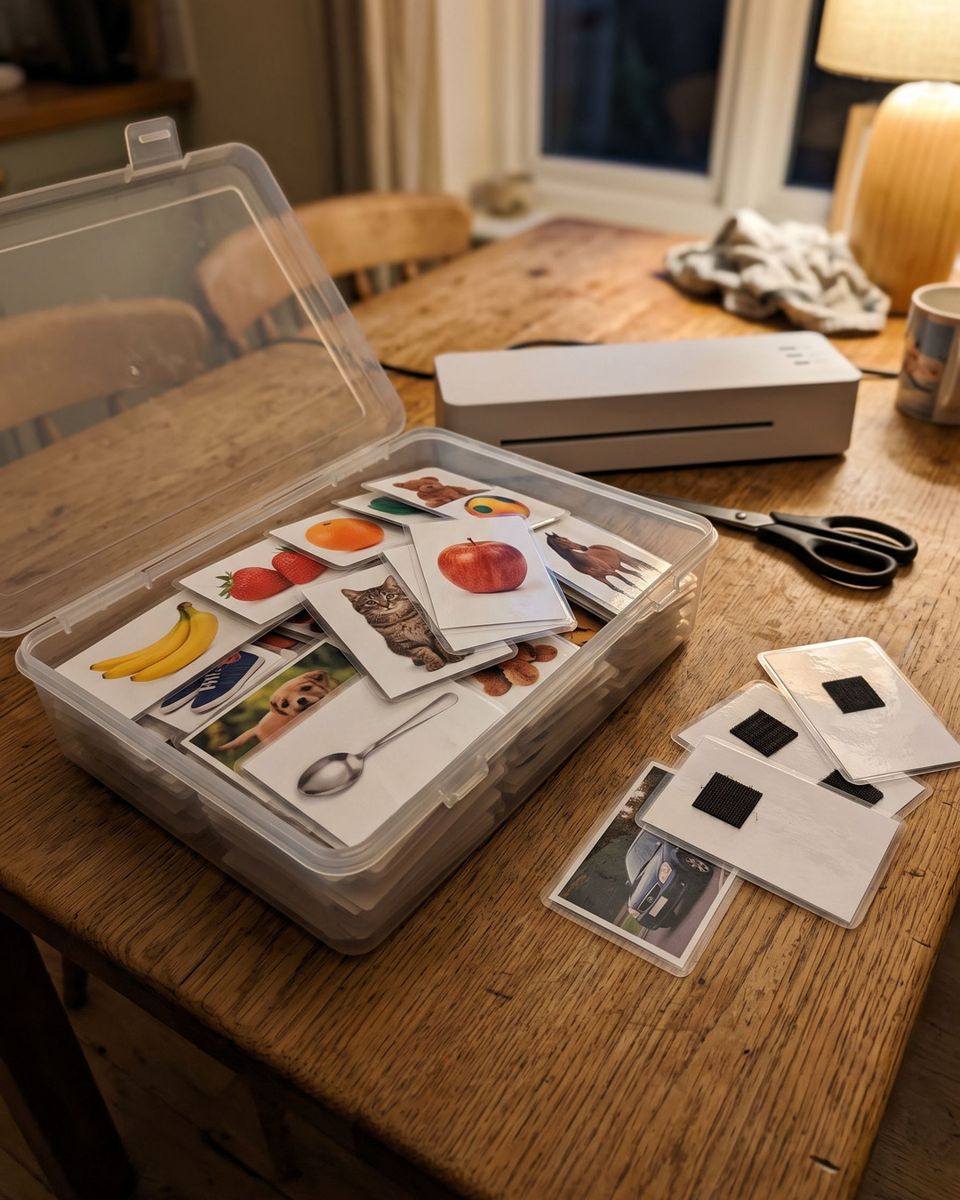
Free download1 ZIP · 94 packs
All 94 printable skill packs, free
Listening, matching, math, reading and more, one skill per pack, each with an adult guide, practice rounds and a log.
Sources
- AAP Section on Complementary and Integrative Medicine: Sensory integration therapies for children with developmental and behavioral disorders (Pediatrics, 2012)
- NCAEP: Evidence-based practices for children, youth and young adults with autism (2020)
- CDC: Clinical testing and diagnosis for autism spectrum disorder (DSM-5 criteria)
Cite this page
Citation (APA style)
SuperChild. (2026). Sensory activities for autism: calming and alerting play for all eight senses. Retrieved from https://superchild.ai/blog/sensory-activities-for-autism
Link for your website
<a href="https://superchild.ai/blog/sensory-activities-for-autism">Sensory activities for autism: calming and alerting play for all eight senses</a> (SuperChild)