What is the AFLS assessment?
The AFLS (Assessment of Functional Living Skills) is a criterion-referenced assessment, skills tracking system and curriculum guide by James Partington and Michael Mueller. The AFLS breaks everyday life into small, observable skills, from handwashing to shopping and working, and records which ones a learner can do and how independently.
Where the ABLLS-R focuses on language, learning and early academic skills, the AFLS focuses on what happens at home, at school, in the community and at work. Think of a 9-year-old who can label 200 pictures but can’t yet get dressed without help. The AFLS is built to make that second gap visible.
The six AFLS protocols
The six AFLS protocols are Basic Living Skills, Home Skills, Community Participation Skills, School Skills, Vocational Skills and Independent Living Skills. Each AFLS protocol is a separate book that can be used on its own, and most teams start with Basic Living Skills, the foundation, whatever the learner’s age.
- Basic Living Skills
- Self-care, hygiene, dressing, eating, toileting, daily routines and the core communication needed to get through the day. Visual schedule printables help with multi-step routines like handwashing or getting dressed.
- Home Skills
- Preparing simple meals, cleaning, laundry and clothing care, household tasks and leisure at home.
- Community Participation Skills
- Getting around safely, shopping, using money, eating out and using community services.
- School Skills
- Classroom routines and expectations, working in a group, social skills at school and functional academics. Task boxes build the independent work habits this protocol looks for.
- Vocational Skills
- Finding and keeping a job: job search, applications, interviews, work routines and specific job tasks.
- Independent Living Skills
- Problem solving, social interactions, living with others, relationships and managing a household.
Who is the AFLS for?
The AFLS is for children, adolescents and adults with autism, intellectual disability or other developmental disabilities who need functional skills for home, school, community and work. The AFLS has no single cutoff age: a young child might be assessed only on parts of Basic Living Skills, a school leaver on Vocational and Independent Living Skills.
It is also useful for planning transitions, for example from primary to secondary school, or from school to supported work.
Outside the US, the AFLS is used in special schools, adult services and home programs. In England it fits the Preparing for Adulthood outcomes in an Education, Health and Care Plan (EHCP); in Australia, providers use it to set daily living and community goals in NDIS plans.
How is the AFLS scored?
AFLS scoring works like the ABLLS-R: each skill has a short set of written criteria and a maximum score, and the assessor scores the level the learner reaches. AFLS scores usually come from watching the learner do the task in a real setting, from asking people who know the learner well, or from both.
Scores are then shaded onto a tracking grid, one per protocol. Using a different color for each reassessment lets the team see growth at a glance. The exact criteria are in the official protocols. Between reassessments, task-analysis steps can be tracked on free ABA data sheets.
AFLS vs ABLLS-R: what is the difference?
The AFLS and the ABLLS-R were designed to sit side by side: the ABLLS-R covers language, learning and early academics in young children, while the AFLS covers functional and daily living skills from childhood to adulthood. Many teams use the ABLLS-R first and add AFLS protocols as daily living goals become more urgent.
For how the AFLS compares with the VB-MAPP, PEAK and Essential for Living, see the ABA assessment comparison.
AFLS and ABLLS-R compared
Authors
- AFLS
- Partington and Mueller
- ABLLS-R
- Partington
Focus
- AFLS
- Functional and daily living skills
- ABLLS-R
- Language, learning and early academics
Ages
- AFLS
- Childhood to adulthood
- ABLLS-R
- Mainly young children
Format
- AFLS
- 6 separate protocols
- ABLLS-R
- One protocol with 25 skill areas
Tracking
- AFLS
- Skills grid per protocol
- ABLLS-R
- Skills grid
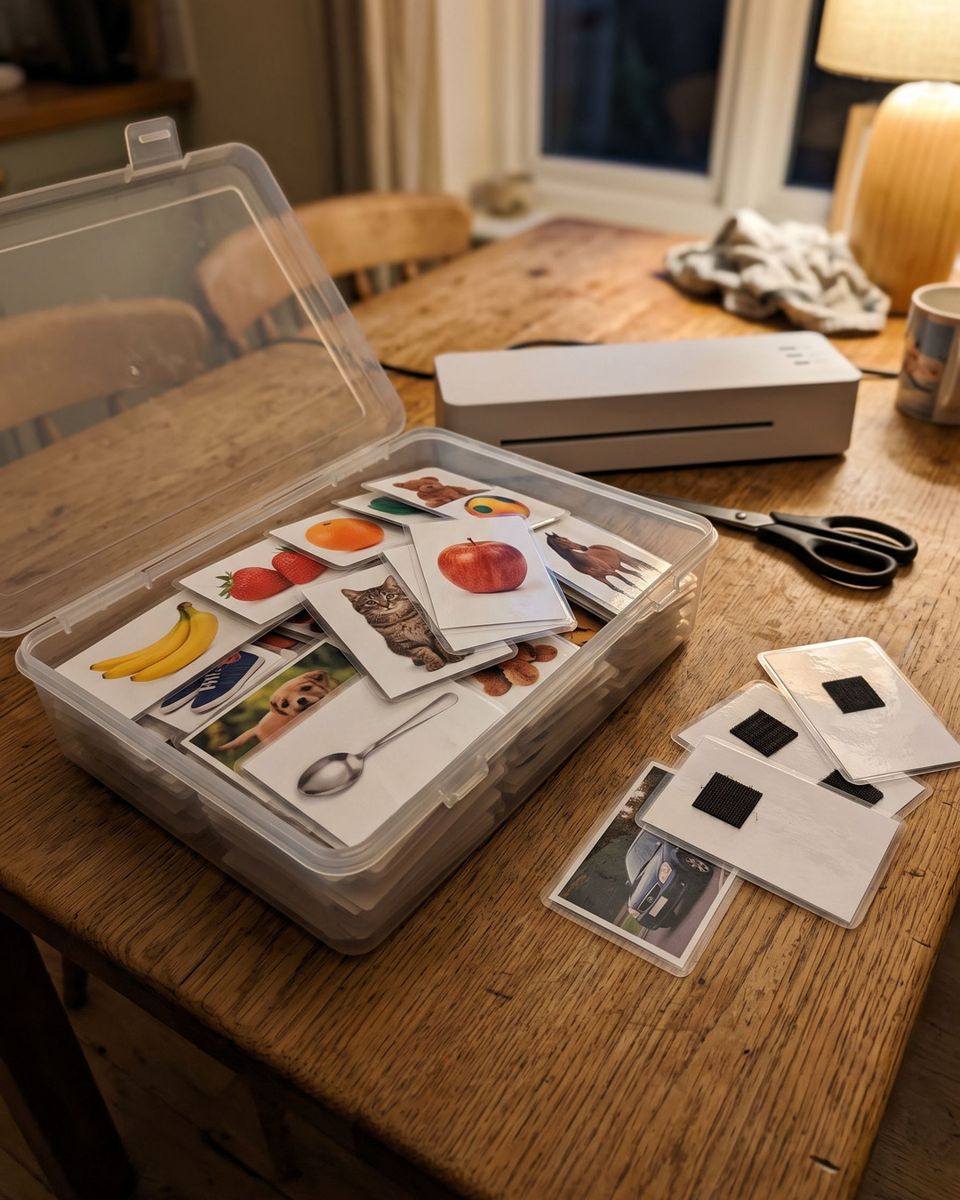
Free download1 ZIP · 94 packs
All 94 printable skill packs, free
Listening, matching, math, reading and more, one skill per pack, each with an adult guide, practice rounds and a log.
Sources
Cite this page
Citation (APA style)
SuperChild. (2026). The AFLS assessment: functional living skills in six protocols. Retrieved from https://superchild.ai/assessments/afls-assessment
Link for your website
<a href="https://superchild.ai/assessments/afls-assessment">The AFLS assessment: functional living skills in six protocols</a> (SuperChild)